Siirry sisältöön

BIM Clash Detection and Coordination Issue Management

BIM clash detection, also referred to as collision detection or interference checking, identifies spatial conflicts and coordination issues before construction begins. Structured clash detection workflows reduce rework, improve coordination, and support construction-ready models.

Solibri brand image 11 2

Clash detection in BIM coordination workflows

Clash detection is a core part of BIM coordination workflows. When discipline models are combined into federated models, spatial conflicts between building systems, structural elements, and architectural components, such as MEP clash detection issues or structural architectural clashes are often revealed for the first time.

Without structured clash detection workflows, many of these issues are discovered during construction, where changes are significantly more expensive and disruptive. Detecting clashes early allows project teams to resolve coordination issues before they affect installation, scheduling, or project delivery.

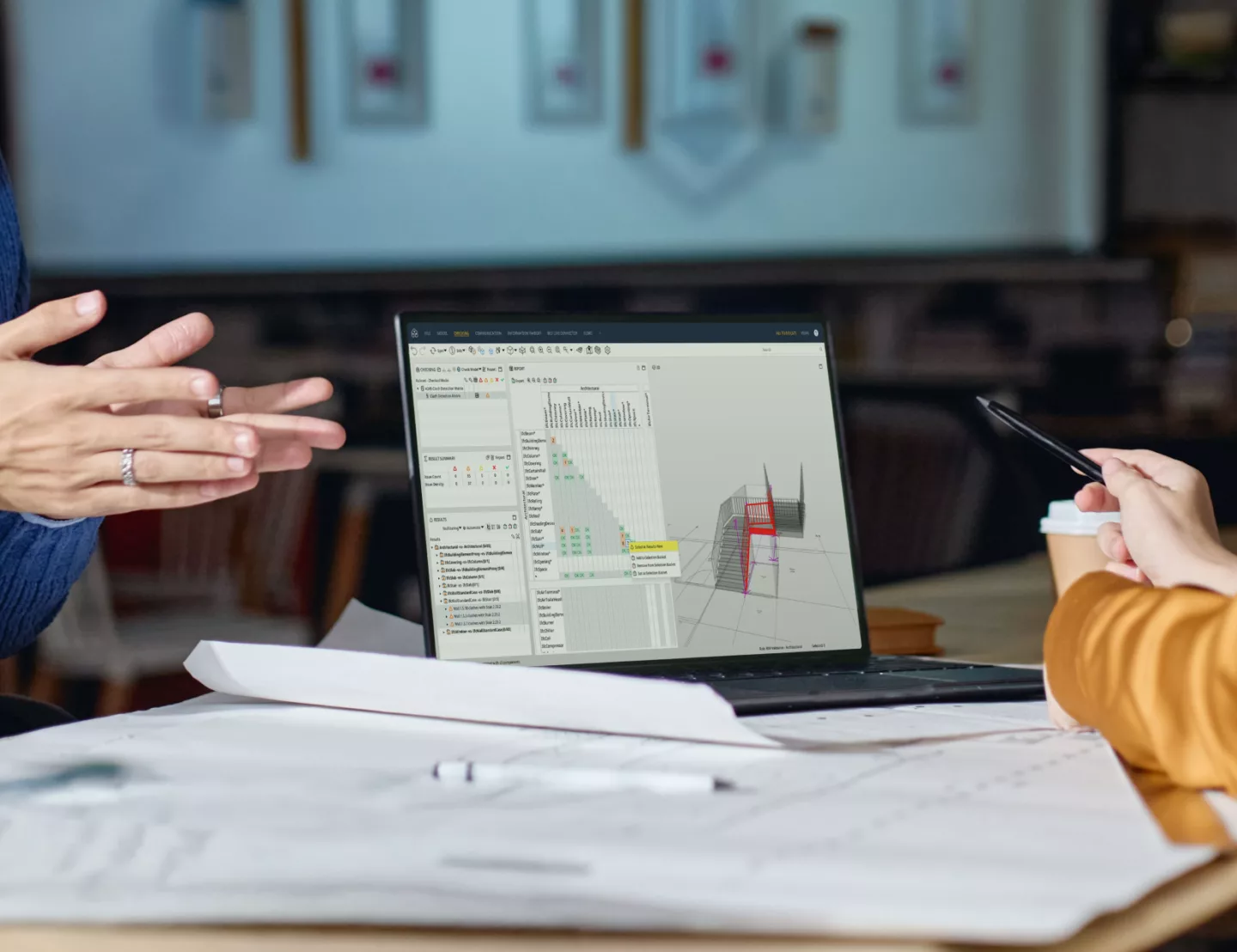
Solibri supports structured clash detection between disciplines, helping teams identify conflicts early, manage coordination issues, and improve multidisciplinary coordination across BIM projects.

Solibri clash detection blue

Types of clashes in BIM models

Clashes in BIM models are not all the same and require different detection methods. Structured clash detection workflows typically include multiple types of checks.

Hard clashes occur when two objects physically intersect, such as a pipe running through a beam or a cable tray intersecting a wall. Soft clashes occur when required clearance space is not available for installation, access, or maintenance. Clearance checking ensures that equipment and building systems have enough space for installation and operation.

These clashes typically appear when models from multiple disciplines are combined into federated models and reviewed together during multidisciplinary coordination and coordination cycles.

Solibri supports multiple clash detection methods using rule-based clash detection and model checking rules, allowing teams to identify spatial conflicts, clearance issues, and coordination problems in a structured way.

Rule-based clash detection and automated model checking

Clash detection in Solibri is based on rule-based clash detection rather than only geometry intersection checks. This allows teams to define what should be checked, which elements should be included, and how clashes should be classified.

This rule-based approach helps teams move from simple clash detection to structured coordination workflows, model review workflows, and model quality control processes across projects.

Using model checking rules, teams can:

  • Check clashes between specific disciplines or systems
  • Define clearance zones and tolerance-based clash checking
  • Exclude acceptable intersections
  • Group clashes by system, location, or responsibility
  • Filter and prioritize issues through priority-based clash management
  • Automate clash detection across coordination cycles
  • Perform automated clash detection workflows on new model versions
  • Standardize coordination workflows across projects


Clash grouping and coordination issue management

Clash detection is only the first step in BIM coordination. After clashes are detected, teams must manage coordination issues across multiple coordination cycles. This includes grouping clashes, assigning responsibility, tracking issue status, verifying resolution, and ensuring issues do not reappear in later model versions.

Clash grouping allows teams to combine related clashes into coordination issues, which makes coordination meetings more efficient and improves issue management workflows. Issue tracking ensures that coordination problems are resolved before models move into construction.

Solibri clash detection coordination2

Solibri for clash detection workflows

Solibri supports clash detection as part of a broader model validation workflow and BIM coordination workflow rather than as a standalone clash detection tool. The platform allows teams to combine federated model review, rule-based clash detection, model validation, and coordination issue management in one environment.

Teams use Solibri to run clash detection rules across federated BIM models, perform interference checking, review clashes in context, group and classify coordination issues, and manage issue resolution across coordination cycles. Because clash detection is integrated with model validation workflows, teams can also verify that models meet project requirements and information standards while performing coordination checks.

Solibri includes rule-based validation that support clash detection between disciplines, clearance checking, and structured coordination workflows. Teams can define how disciplines are compared, standardize clash detection across projects, and manage coordination on scale through configurable rule sets tailored to project requirements.

By combining clash detection, model validation workflow, issue management, and automated model checking, Solibri helps organizations move from simple clash detection to structured BIM coordination and model quality control workflows across projects and lifecycle stages.

Clash detection within the building lifecycle

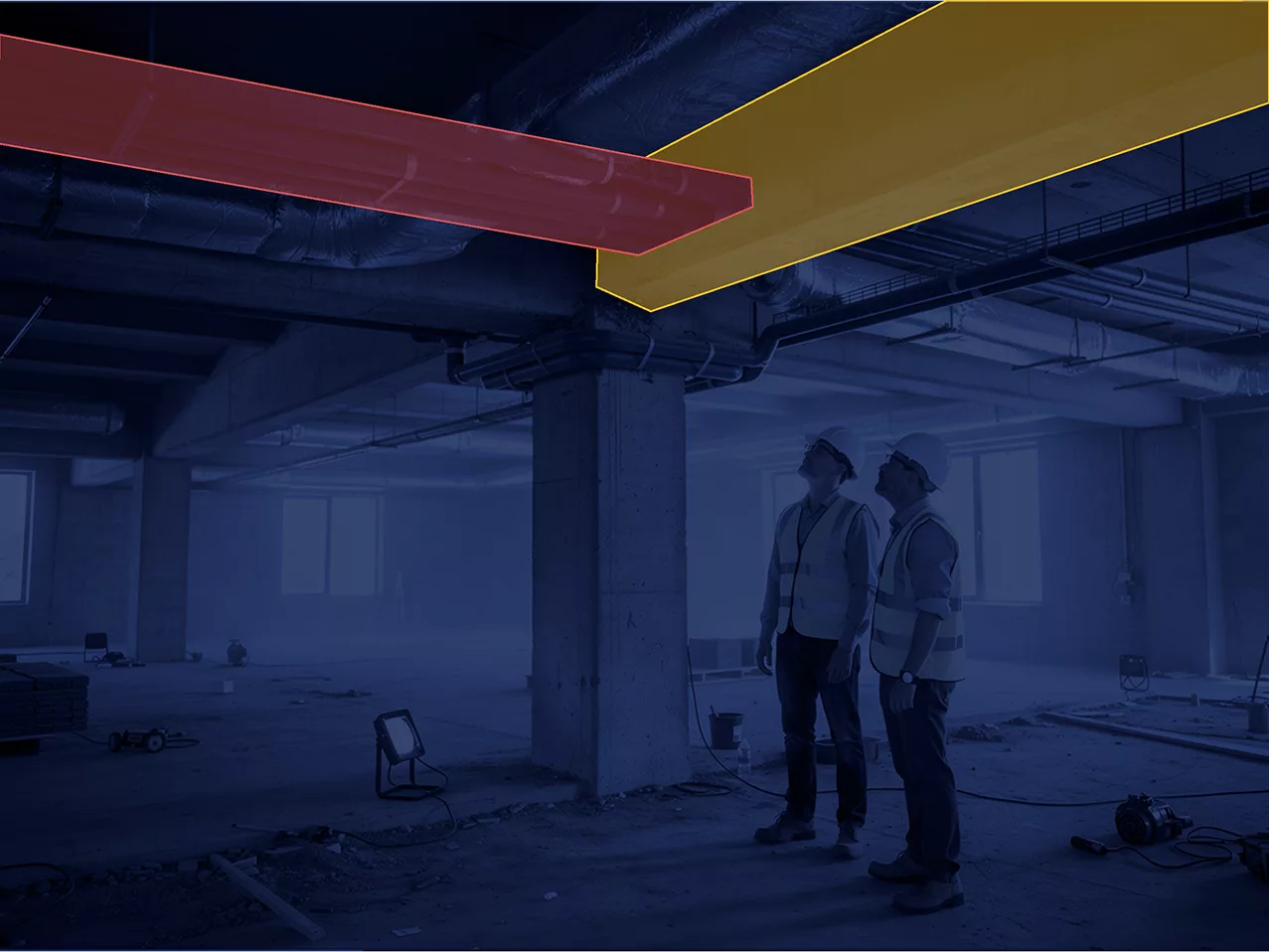
Clash detection is primarily performed during BIM coordination, after discipline models are created during Design & Architecture and before models move into Construction & Handover.

Detecting clashes during coordination ensures that coordinated models can be used for installation planning, construction workflows, and handover documentation. Early clash detection improves construction readiness and reduces coordination risk across the building lifecycle.

Structured clash detection therefore plays an important role in improving model reliability before construction begins and reducing downstream project risk.

Frequently Asked Questions

BIM clash detection often referred to as a clash check or interference checking, is the process of identifying spatial conflicts and model quality issues within and between BIM models before construction begins. It includes detecting element intersections, duplicate components, and objects incorrectly placed inside others—helping teams resolve issues early, both within individual discipline models and across coordinated project models.

Clash detection is part of BIM coordination. BIM coordination includes federated model review, clash detection, issue management, and model validation workflows.

Clashes can include hard clashes (intersections), soft clashes (clearance issues), clearance conflicts, and coordination conflicts between building systems and structural elements.

Rule-based clash detection allows teams to define which elements should be checked, what clearance distances are required, and how clashes should be grouped and classified using model checking rules.

Clash detection helps prevent installation conflicts, redesign work, delays, and construction rework by identifying coordination issues before construction begins.

Solibri Essential, Advanced, Premium, and Security+ support clash detection and coordination workflows depending on project complexity and deployment requirements.

Yes. Automated model checking allows clash detection to run automatically on new model versions and across coordination cycles.

Detect clashes earlier and improve BIM coordination workflows

Structured clash detection helps teams reduce rework, improve coordination, and ensure models are ready for construction.