Skip to content
IDS Workflows

Information Delivery Specification (IDS) Validation Workflows

Information Delivery Specifications (IDS) define what information must be included in BIM models and how that information should be structured. IDS workflows ensure that models meet information requirements before coordination, approval, construction, and handover.

Solibri brand image 9 2

Why Information Delivery Specifications are important

As BIM projects become more structured and regulated, it is no longer enough for models to only contain geometry. Models must contain the correct information, classifications, properties, and structured data required for coordination, regulatory approval, construction planning, and building operation.

Information Delivery Specifications define these information requirements and ensure that all project stakeholders deliver models with consistent and usable information. Without clear information requirements and validation workflows, models often contain inconsistent data, missing properties, and incorrect classifications, which reduces model usability and increases project risk.

IDS workflows therefore play a critical role in BIM governance, model quality control, and digital building permit processes. They ensure that models are not only coordinated geometrically but also compliant with information requirements and ready for downstream workflows.

What is an Information Delivery Specification (IDS)

An Information Delivery Specification (IDS) defines the information requirements that BIM models must meet. IDS files specify which objects must contain specific classifications, properties, parameters, and data structures. These specifications ensure that models contain the required information and can be used consistently across coordination, construction, and operation workflows.

IDS allows organizations to define structured information requirements in a standardized format, making it easier to validate models automatically. Instead of manually checking whether models contain the required information, IDS validation workflows automatically verify whether models comply with defined information requirements.

Typical information requirements defined in IDS include object classifications, required property sets, parameter values, naming conventions, and information completeness. By defining these requirements in IDS files, organizations can standardize model delivery requirements across projects.

IDS Workflow Page Solibri

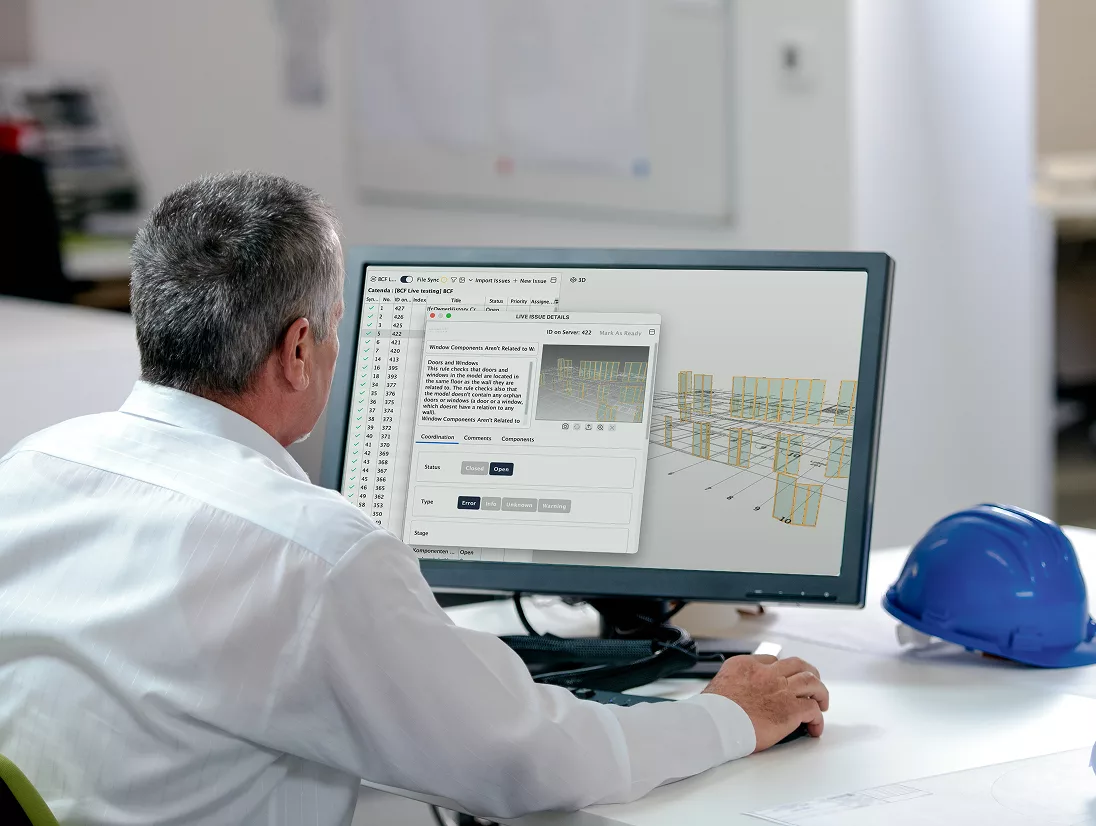
IDS validation and rule-based model checking

IDS validation is performed using rule-based model checking, where validation rules verify whether models meet defined information requirements. Instead of manually checking classifications and properties, IDS validation workflows automatically check whether required information is present and correctly structured.

IDS validation can check classifications, property sets, parameter values, naming conventions, and information completeness. Validation results show whether models comply with information requirements or whether information is missing or incorrect.

Automated IDS validation improves model quality control, reduces manual checking effort, and ensures that models meet project information requirements before coordination, construction, or regulatory submission.

BIM Coordination page IDS

IDS workflows for BIM governance and compliance

IDS workflows are an important part of BIM governance and compliance processes. Organizations use IDS to define information requirements for projects and ensure that all project stakeholders deliver models that meet those requirements. IDS workflows support:

  • Standardized model delivery requirements
  • BIM governance processes
  • Information compliance checking
  • Digital building permit workflows
  • Structured handover information
  • Lifecycle information management

By using IDS workflows, organizations ensure that models are delivered with consistent information structures and that information can be used reliably across project phases and lifecycle stages.

IDS BIM Governance with Yellow Image 3 300x 1

IDS workflows across the building lifecycle

Information requirements do not only apply during design. They apply throughout the building lifecycle, including coordination, construction, handover, and operation. IDS workflows ensure that models contain the required information at each stage of the lifecycle.

During design and coordination, IDS ensures models meet project information requirements. During construction, validated model information supports planning and installation workflows. During handover, IDS ensures that asset and equipment information is included. During operation, validated information supports facility management and lifecycle data management.

Using IDS workflows across the building lifecycle ensures reliable information delivery and reduces the risk of incomplete or inconsistent building information.

Solibri for IDS workflows and information compliance

Solibri supports IDS workflows by allowing teams to validate BIM models against Information Delivery Specifications using rule-based model checking. Teams can create IDS files, validate models against information requirements, identify missing or incorrect information, and ensure that models meet project information standards before delivery or approval.

By combining IDS validation with clash detection, model validation, and coordination workflows, Solibri supports structured model quality control and information compliance across projects. Organizations can standardize information requirements, automate model validation workflows, and ensure reliable model delivery across coordination cycles and lifecycle stages.

Solibri therefore supports organizations in implementing structured BIM governance workflows, standardized information delivery, and compliant model handover processes.

IDS Chimney With Yellow Bottom Image 300x 1

Frequently Asked Questions

An Information Delivery Specification (IDS) defines the information requirements that BIM models must meet, including classifications, property sets, parameters, and data structures. IDS is a standard developed by buildingSMART.

IDS validation checks whether BIM models comply with information requirements defined in IDS files.

IDS workflows ensure that models contain consistent and complete information and can be used reliably for coordination, construction, handover, and operation.

Yes. Solibri supports IDS validation using rule-based model checking to verify whether models meet defined information requirements.

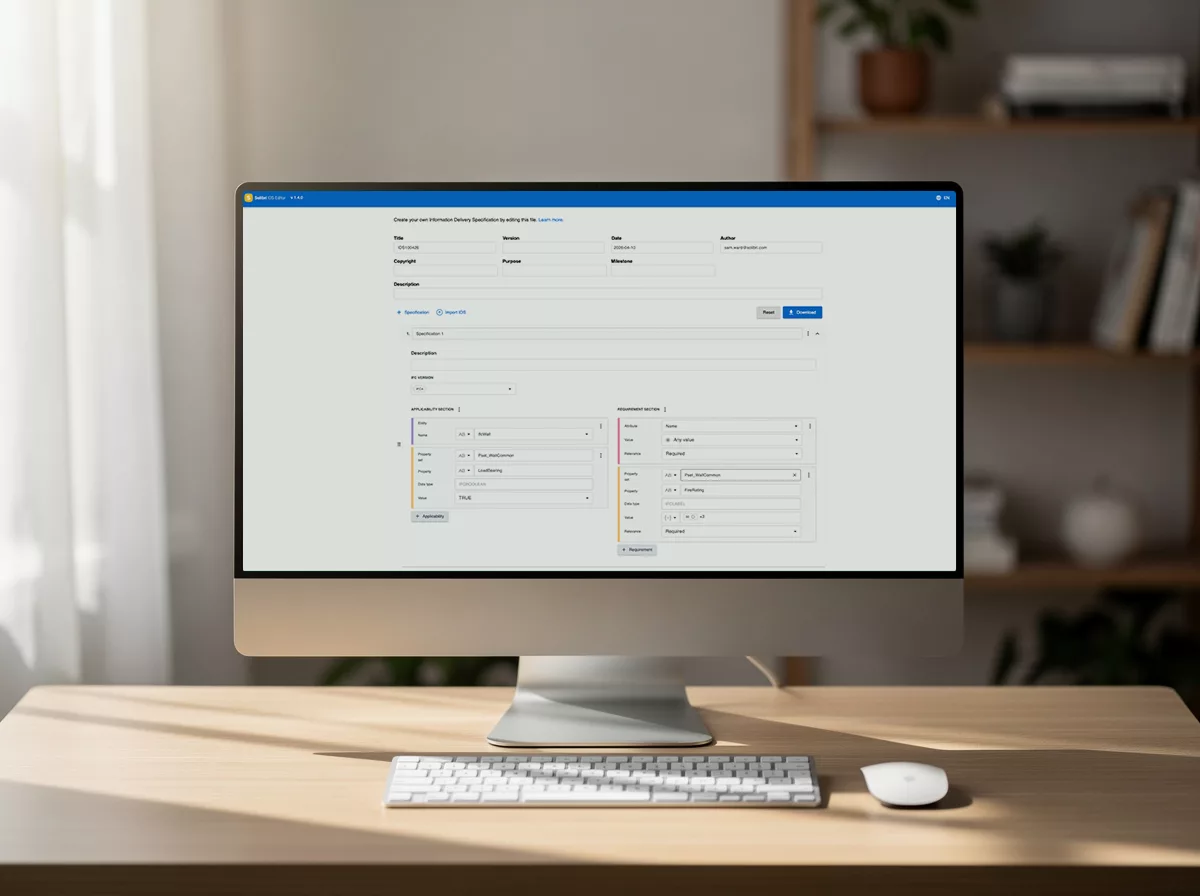
Yes. Solibri offers an IDS Editor that enables customers to create IDS files and define their information requirements in a structured format—such as required classifications, property sets, parameters, and naming rules.

The IDS Editor is available to all Solibri customers and can be accessed from the Solibri Center.

IDS is used to define information requirements and ensure models comply with project standards and delivery requirements.

Yes. IDS workflows are often used to ensure that models meet information requirements before submission for digital building permit approval.

Ensure BIM models meet information requirements and compliance standards

IDS workflows help organizations standardize information delivery, validate model data, and ensure compliant model delivery across projects and lifecycle stages.