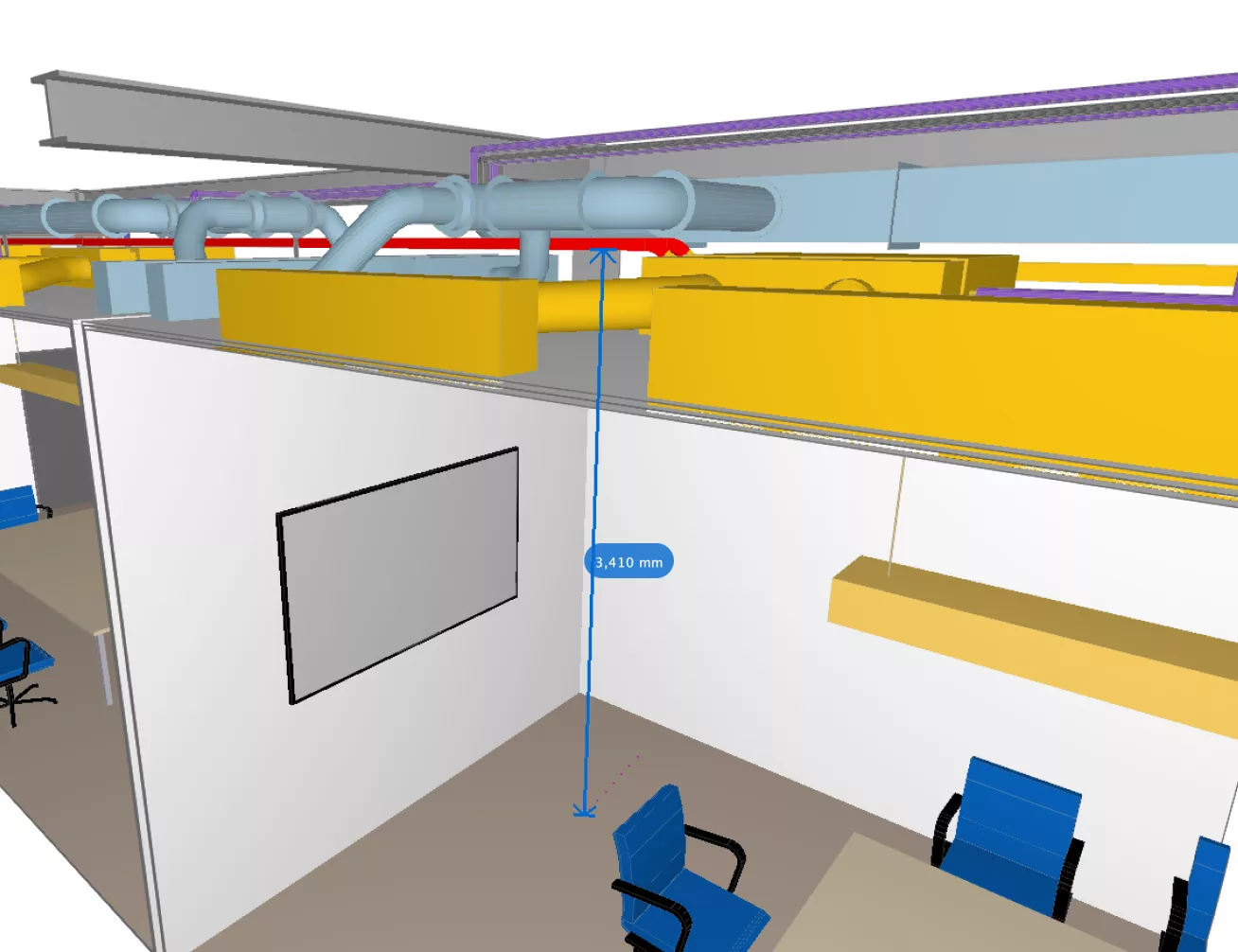
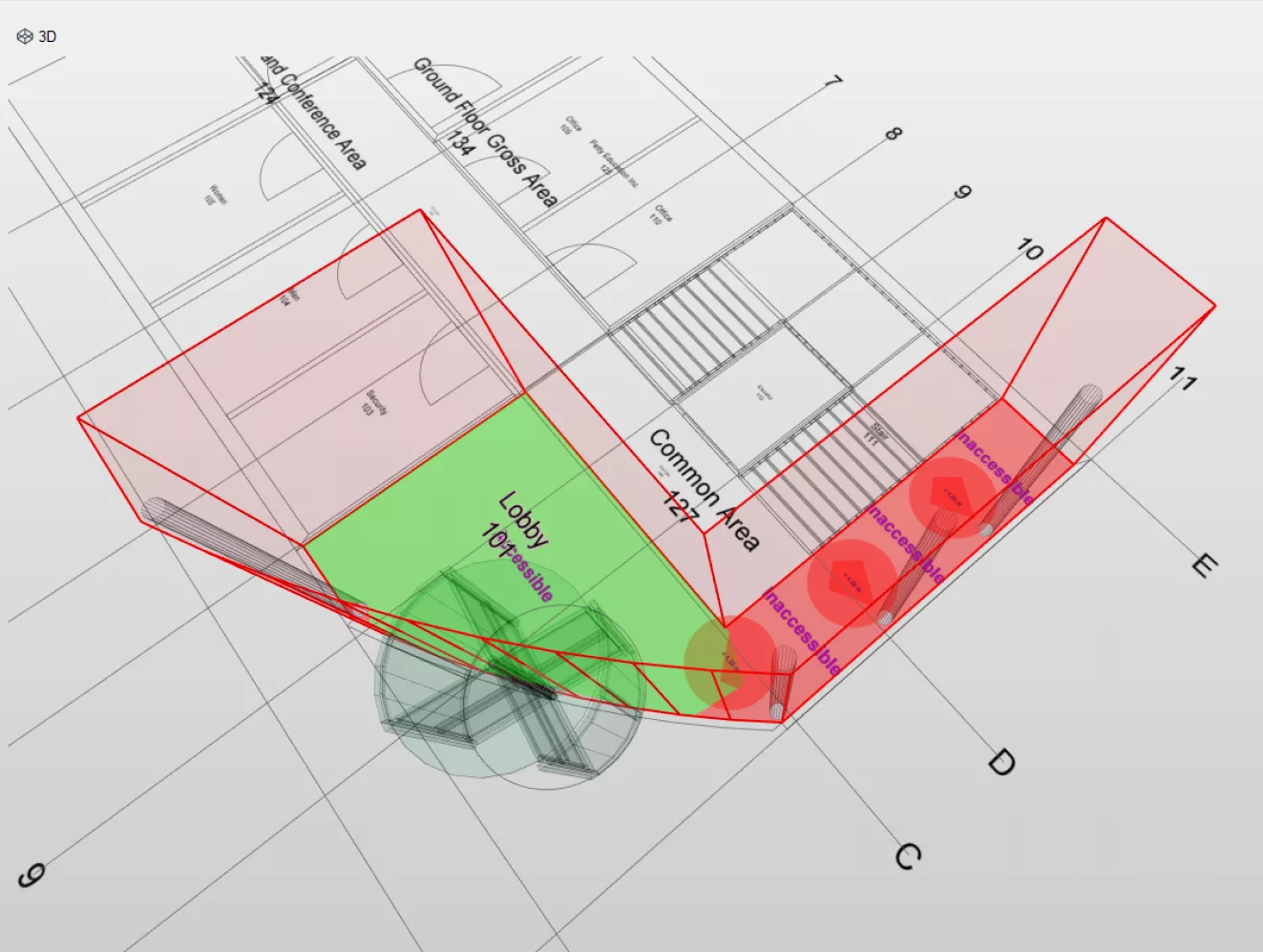
In BIM projects, model quality is not only defined by geometry but also by the information stored within the model. Models may look correct visually but still contain incorrect classifications, missing property values, inconsistent naming conventions, or incomplete asset information. These information issues often cause problems later in coordination, construction planning, regulatory approval, or building operation
In practice, incorrect or incomplete model data can directly impact downstream workflows. This includes errors in quantity takeoff, ordering incorrect amounts of materials, issues in prefabrication planning, and inaccuracies in calculating carbon footprint or sustainability metrics.
BIM model validation ensures that models meet project information requirements and can be used reliably across workflows. By validating model data early, project teams reduce downstream errors, prevent delays in approval processes, and improve the reliability of coordinated models.
Structured model validation therefore plays a critical role in BIM coordination, digital building permit workflows, and lifecycle information management. It ensures that models are not only geometrically correct but also information-ready for construction and operation.