Skip to content
Building Lifecycle

BIM Quality Assurance Across the Building Lifecycle

Complex buildings require collaboration across disciplines, organizations, and project phases. Solibri enables BIM data can be trusted through structured quality assurance, keeping coordination reliable from design through construction and long-term operations.

Solibri brand image 1
Vorm logo Wsp logo Veidekke logo Volkerwessels logo Statsbygg logo Sweco logo Peab logo Ramboll logo Skanska logo Ncc logo Cowi logo Norconsult logo Heijmans logo Janssendejong logo Multiconsult logo Arup logo Cordeel group Ballastnedam logo Hensel phelps logo Hok logo Viatechnik logo

Why BIM collaboration breaks down across the building lifecycle

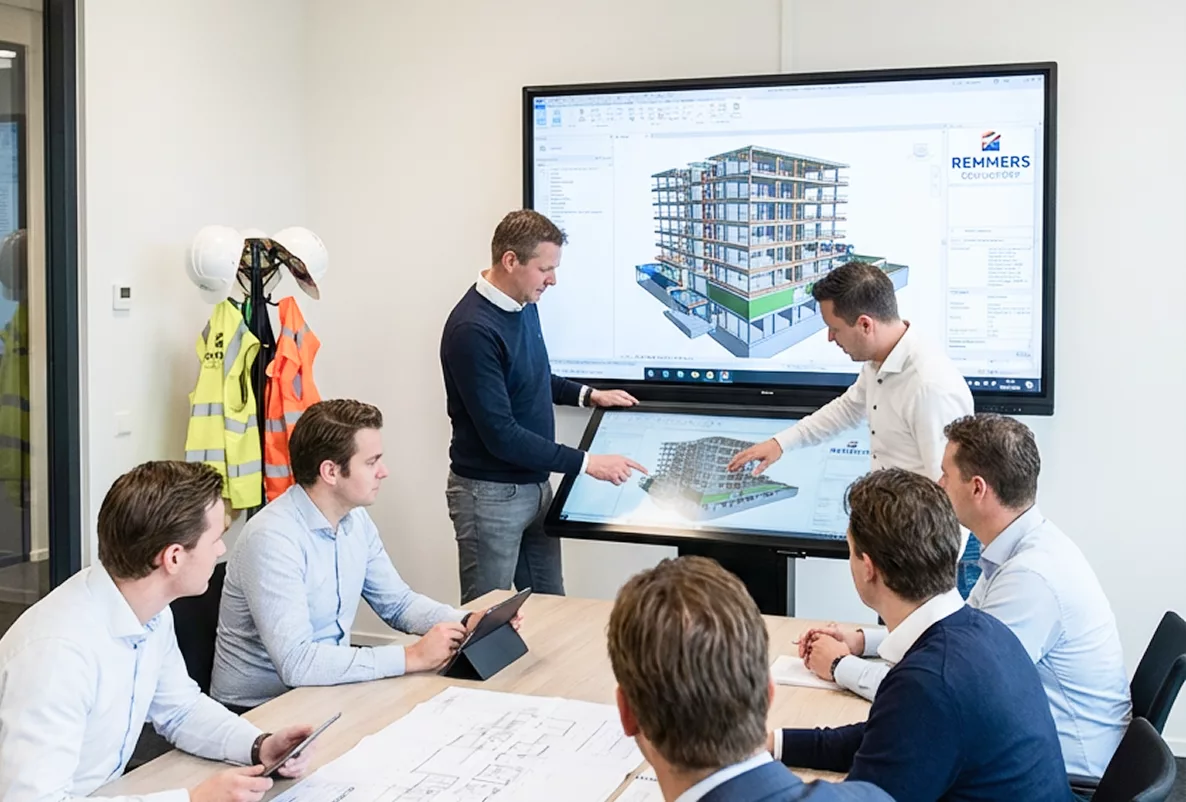
Modern construction relies on multidisciplinary teams working across different tools, organizations, and workflows. Architects, engineers, contractors, and owners all contribute to the same digital model but without structured validation, coordination quickly breaks down.

When teams cannot trust the model, collaboration slows down. Time goes into verifying information instead of progressing the project.

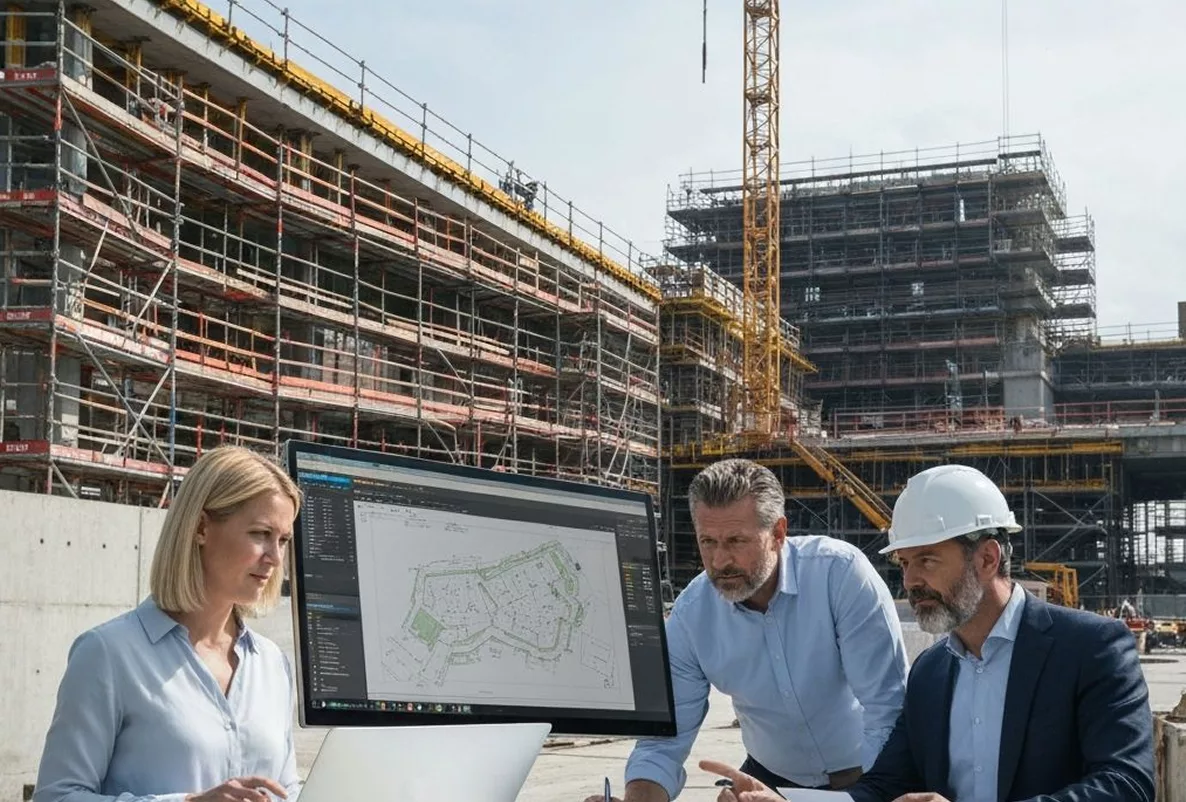
Solibri establishes BIM quality assurance across the building lifecycle, keeping models consistent, validated, and reliable as projects move from design through construction and operations.

Instead of reacting to coordination problems, teams can prevent them turning fragmented workflows into true collaboration across the full BIM lifecycle.

Solibri collaboration desk

Solibri’s platform for trusted
 BIM collaboration

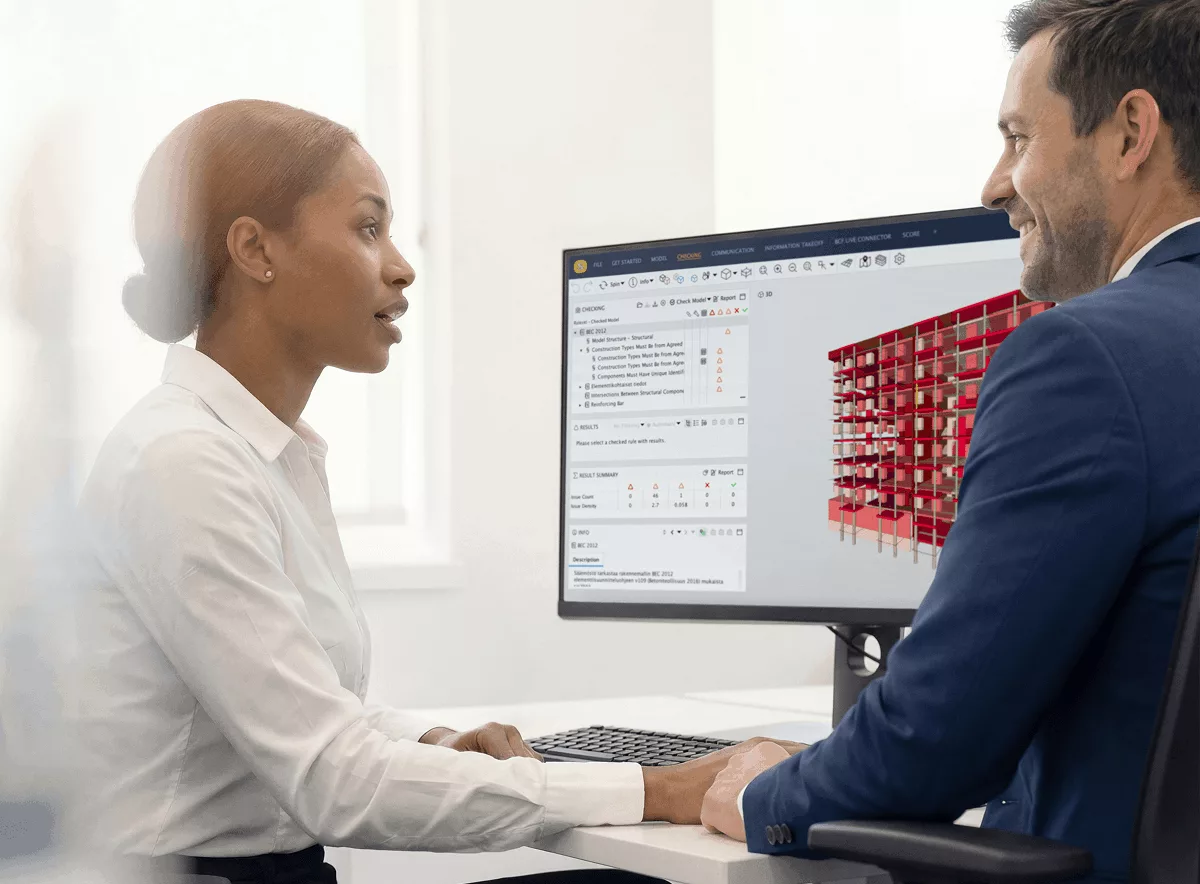
Solibri integrates into existing BIM workflows through open standards and rule-based validation.

Teams verify model quality, enforce project standards, and coordinate across disciplines without relying on manual checks or fragmented processes.

By embedding quality assurance into digital workflows, Solibri ensures organizations maintain trust in their project data, keeping collaboration  efficient from design through operations.

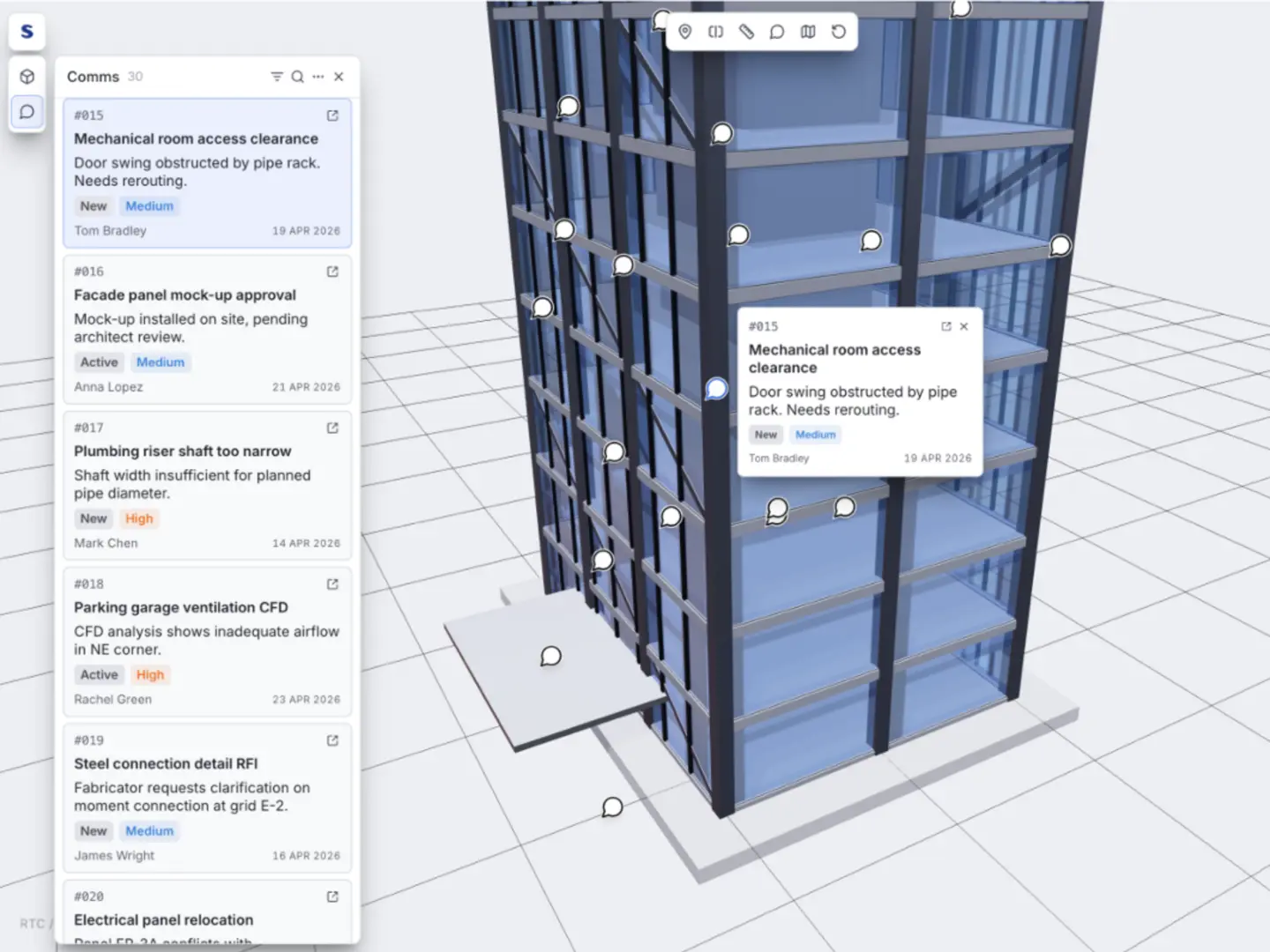
Solibri Comms 2

Build trust into every stage of your projects

Reliable collaboration begins with trusted data. Solibri ensures project teams validate BIM models, enforce quality standards, and coordinate with confidence across every stage of the building lifecycle. In 2025 alone, Solibri users identified and resolved more than 2.1 billion model issues before they could affect project delivery, avoiding an estimated $1.94 billion in industry-wide rework costs.

Frequently asked questions about BIM across the building lifecycle

BIM across the building lifecycle means using one validated, structured set of building data continuously from early design through construction, handover, and long-term operations, instead of separate, disconnected models at each stage. Solibri ensures that data stays consistent and trustworthy at every handoff between disciplines and project phases, so decisions made in operations can rely on the same quality standard applied during design.

BIM collaboration breaks down when multidisciplinary teams work from models that have not been independently validated, so no one can be certain the data they are coordinating around is accurate. Rework tied to late-stage, unvalidated errors is estimated at 5 to 12 percent of project value industry-wide. Structured, rule-based validation catches these issues before they reach construction, preventing the rework and coordination delays that erode trust between teams.

Solibri supports five stages of the building lifecycle: Design & Architecture, BIM Coordination, Construction & Handover, Operation & Maintenance, and Renovation & Refitting. Each stage applies the same rule-based validation engine, so quality standards carry through the entire project instead of resetting at every phase.

BIM quality assurance reduces rework by catching clashes, compliance gaps, and coordination errors before construction begins, when fixing them is cheapest. In 2025, Solibri users identified and resolved more than 2.1 billion model issues before they could affect project delivery, avoiding an estimated $1.94 billion in industry-wide rework costs.

Yes. Solibri validates models built in any authoring tool through open, vendor-neutral standards including IFC and IDS, rather than locking validation to one design platform. This is what makes cross-disciplinary collaboration possible on projects where architects, engineers, and contractors each work in different software.

No. Coordination tools support visual review of a federated model, but most do not provide standardized, rule-based, auditable validation enforced consistently across every discipline and supplier. Solibri adds that independent quality gate on top of the coordination tools teams already use, rather than replacing them.