Skip to content
Renovation & Refitting

Renovation, Refitting, and Existing Buildings in BIM

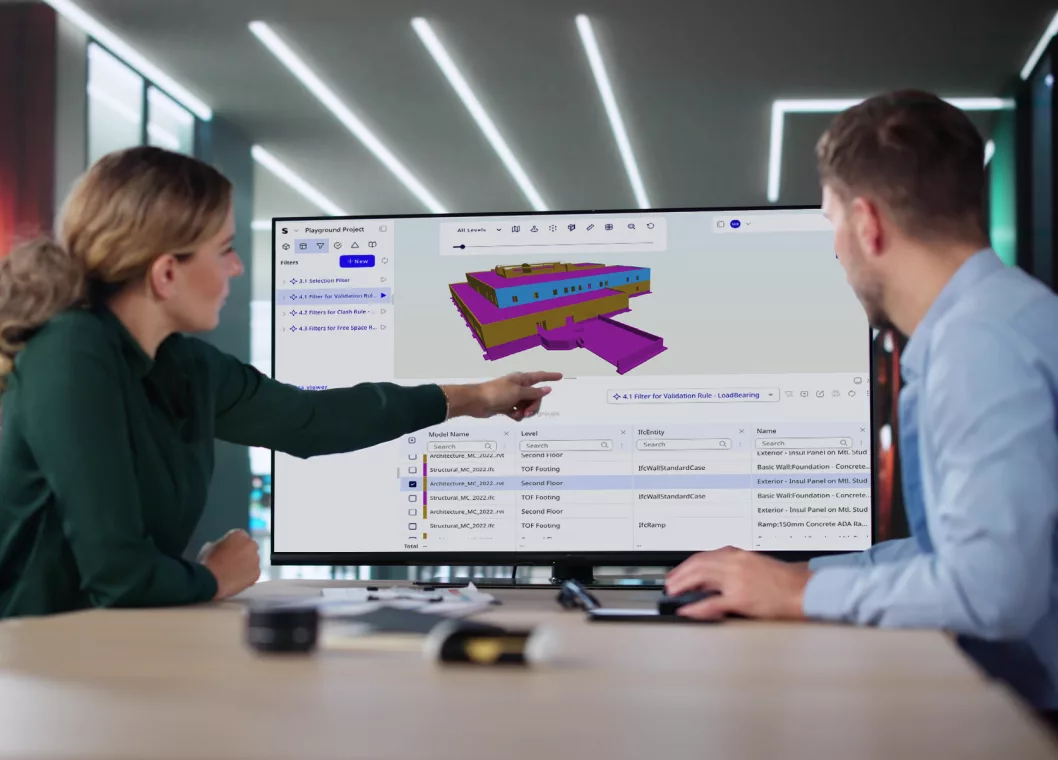
Renovation and refitting projects are becoming an essential part of the construction industry as organizations increasingly choose to reuse and improve existing buildings instead of demolishing and rebuilding. Solibri supports model checking, coordination, and validation workflows that help project teams manage renovation and refurbishment projects using reliable building information models.

Solibri brand image 5 2

Renovating and refitting existing buildings

Across the construction industry, there is a growing shift from demolishing buildings and constructing new ones toward renovating, refitting, and repurposing existing buildings. When the structural condition of a building is still good, renovating or refitting the building can reduce construction waste, reduce material consumption, and lower the environmental impact of construction projects. Renovation projects can also be more cost-effective and faster than building new structures, especially in dense urban environments where demolition and new construction may be complex.

Renovation projects may include upgrading building systems, changing layouts, improving accessibility, improving energy performance, or adapting buildings for new uses. Many buildings are now being renovated to meet modern building standards, sustainability goals, and new functional requirements.

Reliable building information is essential in renovation projects. Project teams must understand existing structures, building systems, and building conditions before new design work begins. Working with incomplete or unreliable building information increases project risk and may lead to coordination issues and construction changes later in the project.

Model-based workflows support renovation projects by helping project teams review existing building information, coordinate renovation designs, and validate building information before construction begins.

Working with existing building information and scan-to-BIM models

Many renovation projects begin with limited or outdated documentation. Existing buildings are often captured using laser scanning and converted into BIM models through scan-to-BIM workflows. These models provide geometric information about existing buildings but may not always contain structured data, classification systems, or property information required for renovation planning and coordination.

Before renovation design progresses, existing building models often need to be reviewed and validated so that project teams can rely on the model information. Model structure, classifications, properties, and element information may need to be reviewed and organized to support renovation planning, coordination, and documentation.

Solibri supports model checking workflows that help project teams review existing building models, validate model information, and improve model quality before renovation and refitting design work progresses. This helps project teams create more reliable building information models for renovation planning and coordination.

Renovation Refitting Image 1 1

Coordinating New Design with Existing Structures

One of the main challenges in renovation and refitting projects is coordinating new building elements with existing structures and building systems. New walls, equipment, building services, and structural elements must be integrated into existing buildings without causing conflicts with existing structures or systems.

Clashes between new and existing elements are common in renovation projects and can lead to redesign, delays, and additional construction costs if discovered late in the project. Coordinating new and existing building elements using federated models helps project teams identify potential conflicts earlier in the project lifecycle.

Solibri supports federated model review, coordination workflows, and clash detection that help project teams coordinate renovation and refitting designs across multiple disciplines and stakeholders.

Solibri BIM Coordination Renovation

Renovation, Sustainability, and Extending Building Lifecycle

Renovation and refitting projects play an important role in sustainability and long-term building lifecycle management. Extending the life of existing buildings reduces demolition waste, reduces the need for new construction materials, and supports more sustainable construction practices. Many organizations are increasingly focusing on building reuse, adaptive reuse, and renovation instead of demolition and new construction.

Buildings are no longer viewed as single construction projects but as long-term assets that evolve over time. Renovation and refitting are part of the building lifecycle, where buildings are updated, repurposed, and improved to meet new requirements, regulations, and performance expectations.

Reliable building information models support renovation planning, lifecycle building management, and long-term building documentation. BIM models developed during design, coordination, construction, and operation can later be used for renovation and refitting projects, making reliable building information essential throughout the entire building lifecycle.

Solibri supports model checking workflows that help organizations maintain reliable building information models across the building lifecycle, supporting renovation, refitting, and future building development projects.

Renovation projects and information requirements

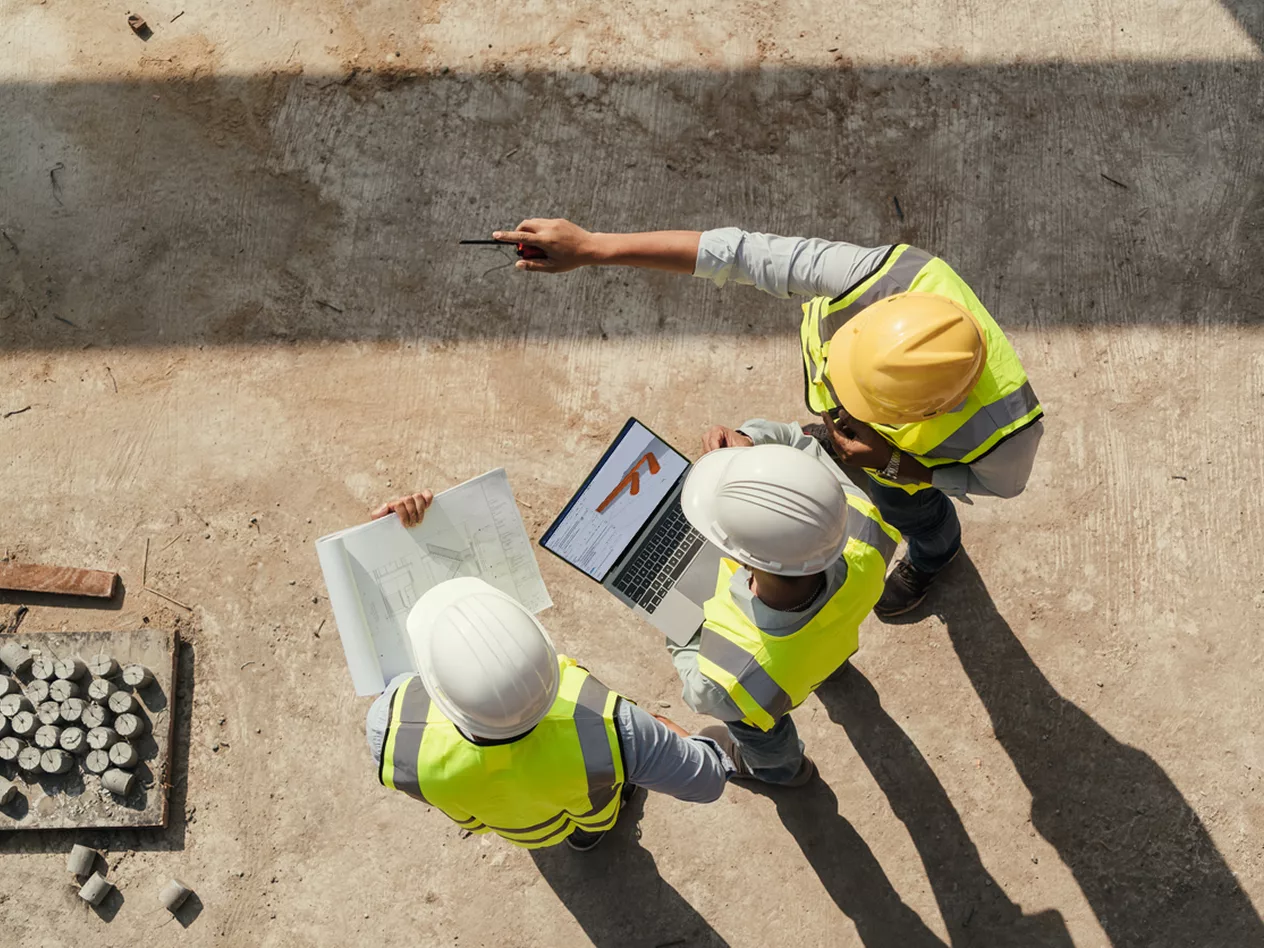
Renovation projects often require specific information about existing building elements, materials, systems, and new installations. Project teams may need to validate that models contain required information for renovation planning, cost estimation, construction planning, and building documentation.

Information requirements and model validation workflows help ensure that renovation models contain the required information and follow project standards and naming conventions. This supports better communication between stakeholders and improves documentation quality throughout renovation projects.

Solibri supports model checking workflows that can be used to review models against information requirements, property requirements, and project standards, supporting structured renovation project workflows.

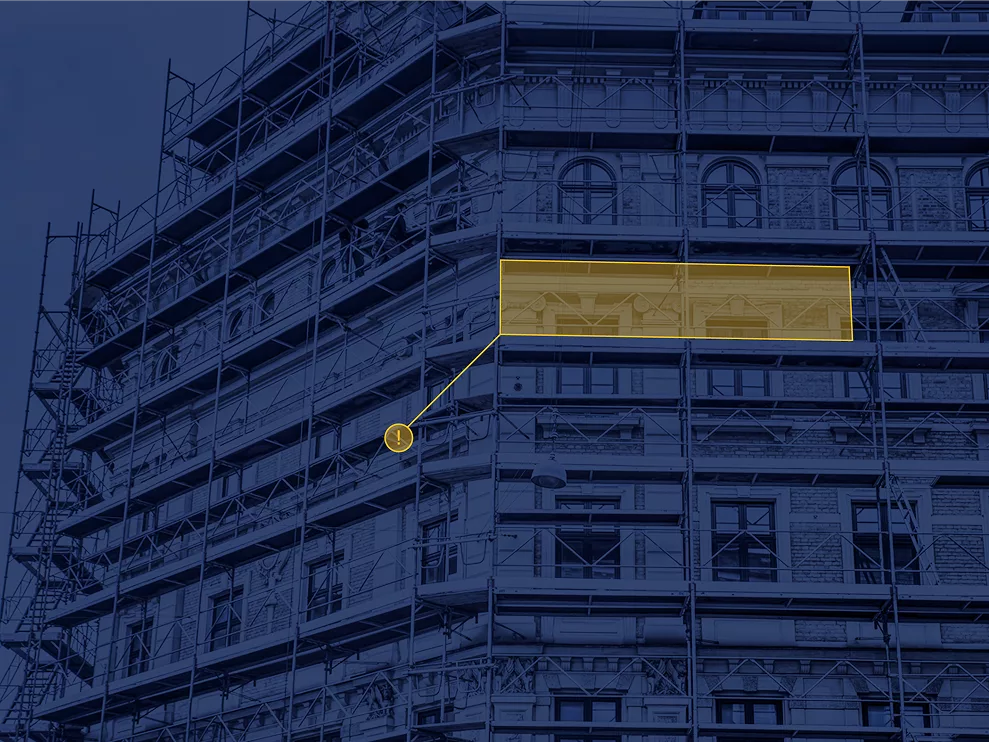
Renovation Image Blue Yellow Highlight Box 300x 1

Why use Solibri for renovation and refitting projects

Solibri provides rule-based model checking tools that support the review and validation of building information within BIM models, including existing building models and renovation design models. These workflows can help project teams review model quality, coordinate renovation designs, validate project information requirements, and support documentation workflows.

Renovation and refitting projects often involve working with existing buildings, incomplete documentation, and complex coordination between existing and new building elements. Structured model checking and coordination workflows help project teams improve model quality, coordination, and documentation across renovation projects.

By supporting model checking workflows across renovation and refitting projects, Solibri helps organizations manage building information more effectively throughout the building lifecycle and support building reuse, renovation, and long-term building management strategies.

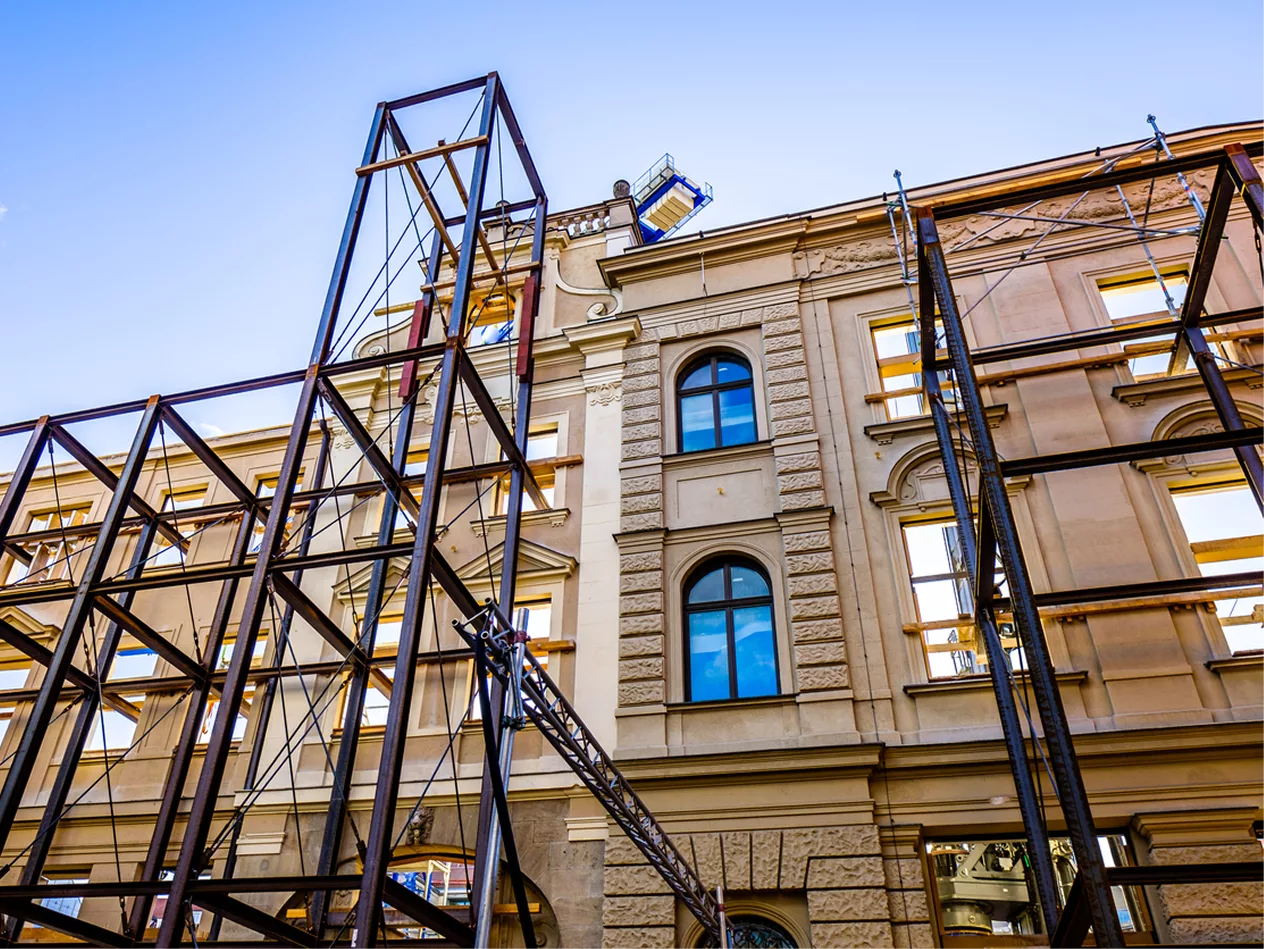
Solibri Renovation facade

Solibri Solutions for Model Checking and Validation

Solibri solutions support model checking, coordination, validation, and information management workflows across different project stages and organizational needs. From reviewing existing building models to coordinating renovation designs and validating project information requirements, Solibri supports structured model checking workflows across renovation and refitting projects.