Skip to content
MEP & Clinical-Systems Coordination

The MEP scope no other building
type matches

Hospital projects coordinate a density of building systems that most construction never approaches. Medical gas routing, pressure-differential HVAC for isolation rooms and operating theatres, redundant emergency power, and extensive low-voltage networks all have to align in a single model, alongside structural requirements for imaging suites and surgical equipment that most buildings never need to plan for.

Solibri validates this scope with rule-based checking, catching coordination conflicts before they reach fabrication or the construction site, where fixing them costs far more than catching them in the model.
Solibri mep

Coordinating systems most buildings never need to plan for

A hospital brings together mechanical, electrical, plumbing, and medical-gas systems at a density that has few parallels in construction. Every one of these systems has to be positioned, classified, and validated correctly, because the consequences of an error extend beyond cost and schedule into commissioning delays and, in some cases, patient safety.

Solibri applies rule-based checking to MEP models against project-specific standards and information requirements, flagging missing data, classification errors, and coordination conflicts before they create downstream problems.

Medical gas and pressure-differential HVAC, validated before installation

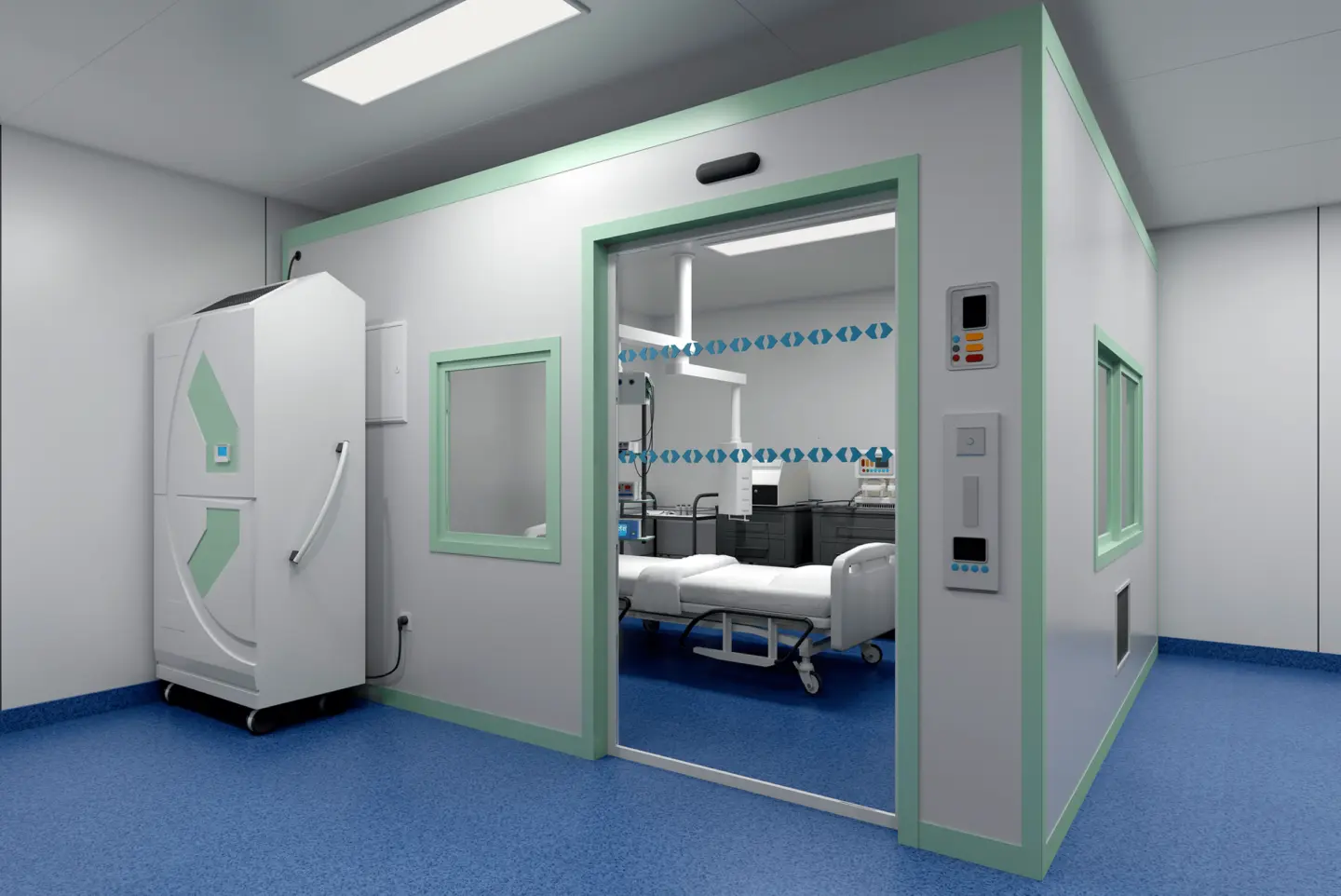
Medical gas systems, including oxygen, vacuum, and medical air, require precise routing and classification. Pressure-differential HVAC for isolation rooms and operating theatres depends on coordinated ductwork, controls, and structural clearances that must be validated together, not in isolation.

Solibri checks these systems against defined standards automatically, applying the same rule set across every revision of the model, regardless of how many times the design changes before construction begins.

Solibri hospitals isolation room HVAC 1 1

Structural and equipment coordination for imaging and surgical systems

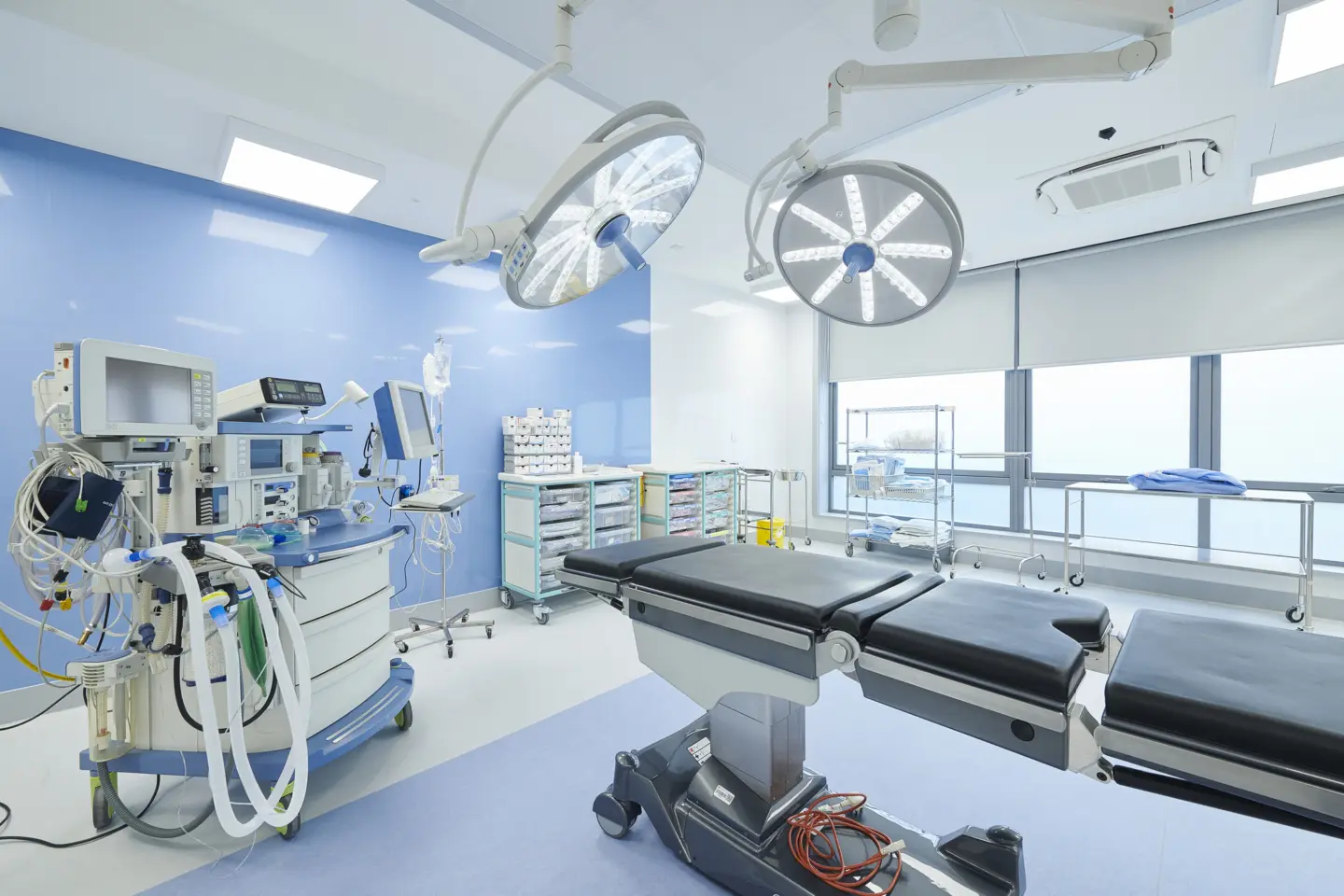
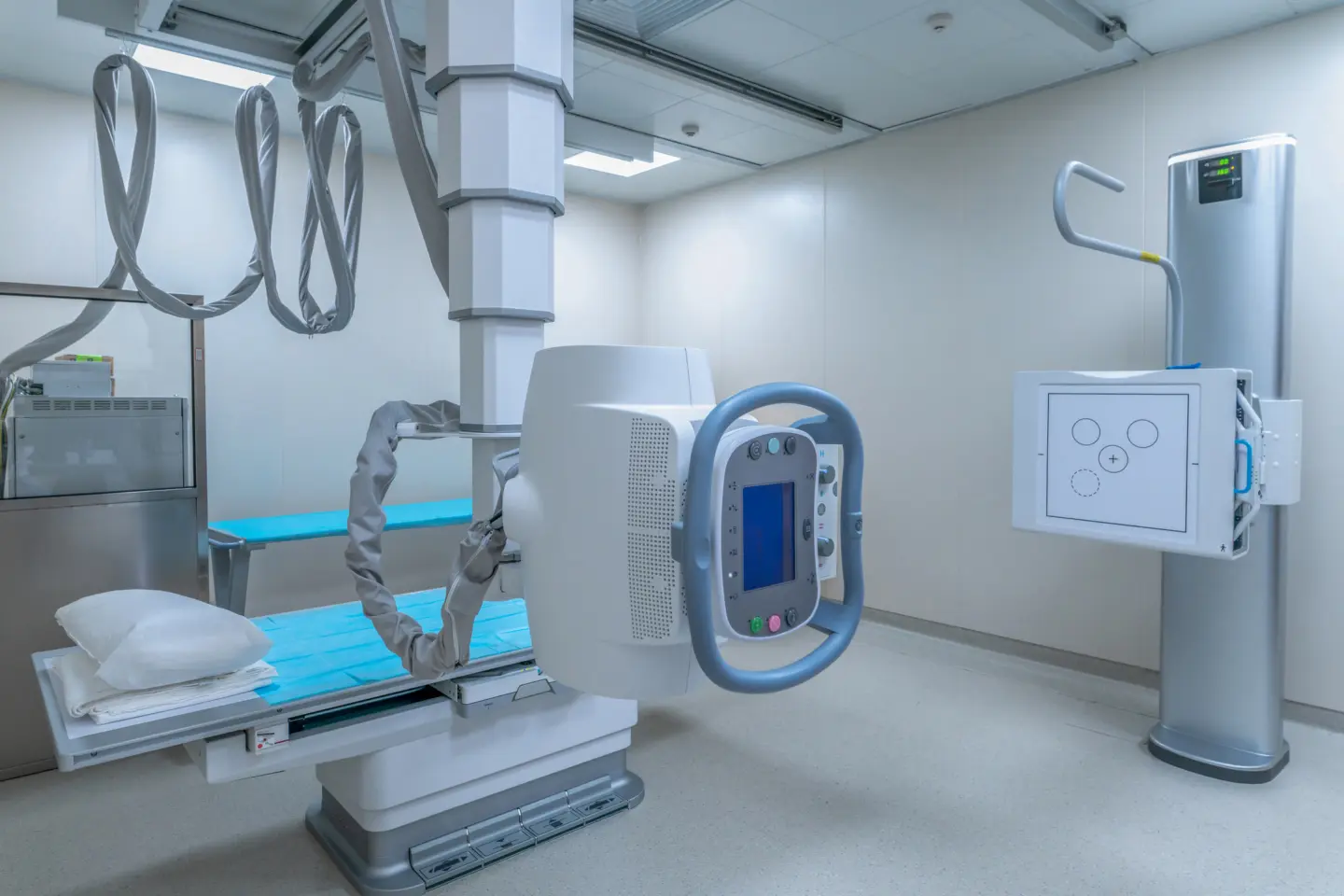
Imaging equipment, radiation shielding, ceiling-mounted surgical booms, and patient lifts each carry structural and spatial requirements that most buildings never have to accommodate. Getting this coordination wrong after steel or concrete is placed is one of the most expensive mistakes a hospital project can make.

Solibri validates structural and MEP models against the equipment-planning requirements that inform this coordination, so conflicts surface while a design change is still inexpensive.

empty operating theatre

When equipment data arrives late, from outside the design team

Medical equipment planning often comes from a separate team, on a separate platform, later than the rest of the design. That timing gap is one of the most common sources of late-stage coordination failure on hospital projects.

Solibri validates federated models built from any authoring platform, so equipment-planning data can be checked against the rest of the model as soon as it arrives, rather than waiting for a full recoordination cycle.

Ct scan device in modern hospital

Rule-based validation across every discipline
and platform

Architects, structural engineers, MEP consultants, and medical equipment planners rarely work in the same tool. Solibri applies one validated standard across all of them, built on openBIM and IFC, so the platform a discipline uses does not determine the quality of the coordination.

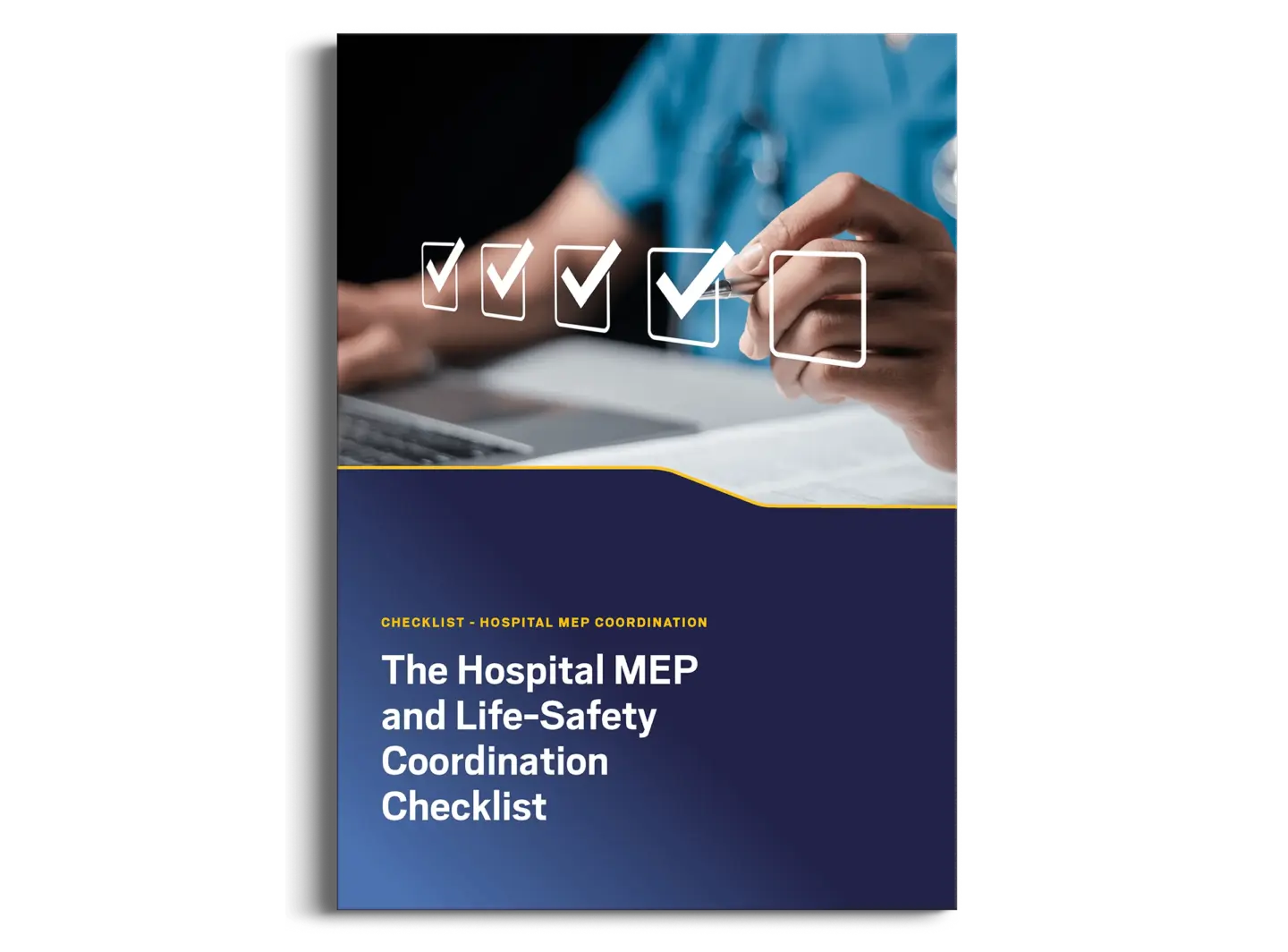
Get the coordination checklist

We put together a checklist covering the coordination checks worth running on a hospital model before it moves to construction: medical gas and HVAC conflicts, structural and equipment coordination, and the standards that keep every discipline aligned to the same requirements.

Frequently Asked Questions

Solibri validates medical gas and HVAC systems against project-specific standards and information requirements. Rules are applied consistently across model submissions to identify clashes, missing data, classification errors, and coordination issues before they affect procurement, installation, or commissioning.

Yes. Solibri can validate structural and spatial requirements for imaging suites, shielding zones, ceiling-mounted surgical booms, patient lifts, and specialist treatment rooms. This helps teams identify conflicts between equipment, structure, services, and clearances while they are still design issues.

Solibri validates federated models regardless of authoring platform. When late equipment-planning data is added, such as imaging equipment, surgical systems, or specialist room requirements, it can be checked against the current model and the same project-specific rules before it creates downstream coordination risk.

Solibri applies rule-based validation across federated models from different BIM platforms. Architects, MEP consultants, structural engineers, and specialist teams can work in their own tools while Solibri checks the combined model against one shared quality framework.