Skip to content

BIM validation for hyperscale and data center construction

Hyperscale construction projects require consistent BIM validation to maintain coordination, data accuracy, and reliable construction workflows at scale. Solibri supports structured validation workflows that help reduce rework, improve coordination, and ensure reliable digital handover across complex data center projects.

Solibri brand image 6 2

Scaling coordination in hyperscale construction environments

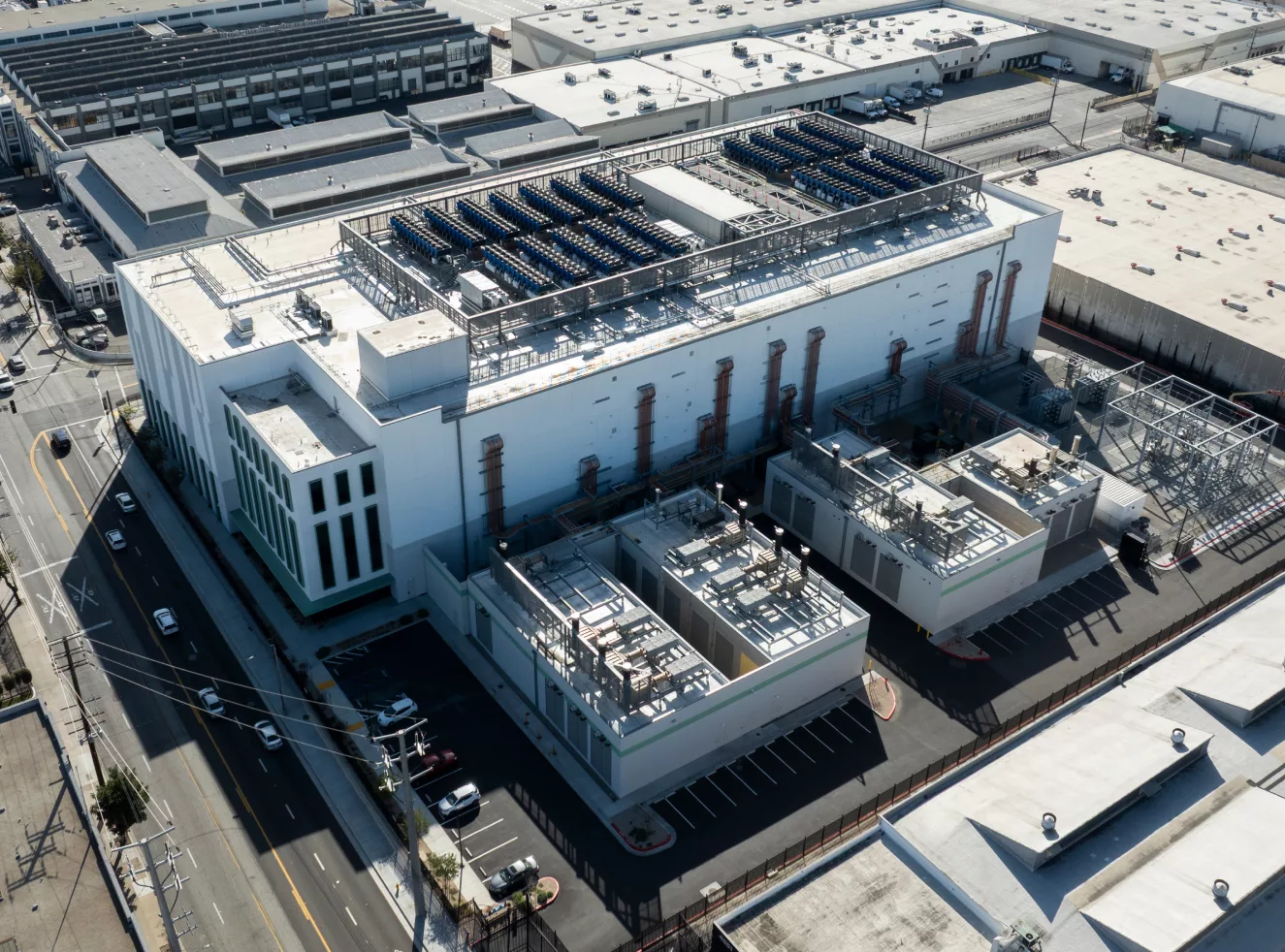
Data center and hyperscale construction projects operate at a level where coordination complexity increases rapidly. Projects are often delivered across multiple locations, with parallel construction activities, standardized design replication, and distributed teams working across regions and time zones. At the same time, there is significant pressure to bring facilities online as quickly as possible, making speed-to-operational readiness a critical factor in project delivery.

At this scale, BIM coordination must ensure not only multidisciplinary alignment, but also consistency across repeated deployments. Small discrepancies in model structure, classification, or coordination logic can propagate across projects and lead to larger coordination issues.

Common challenges include managing federated models across locations, aligning updates between distributed teams, and maintaining consistency across replicated designs. Structured BIM validation helps maintain alignment across projects, improving coordination efficiency and delivery predictability.
Structured validation across model and information

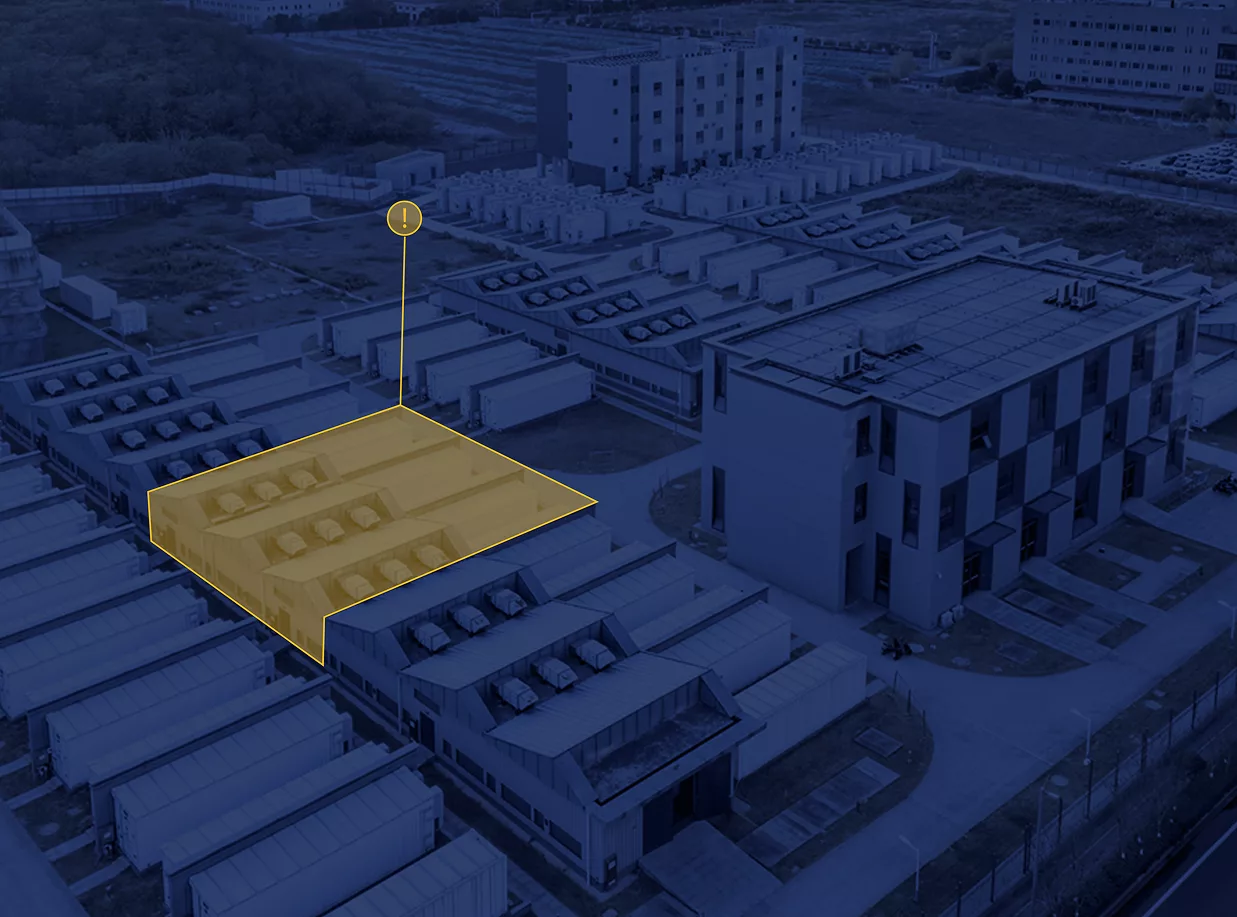
Hyperscale construction requires validation across both geometry and model information. Coordination workflows must ensure that models are spatially aligned while also meeting strict information requirements for construction, commissioning, and handover.

In large-scale data center projects, inconsistencies in classification systems, naming conventions, or required properties can introduce errors that impact procurement, installation, and asset management. These issues are often difficult to identify through manual review alone.

Solibri enables validation of model structure, classifications, and required properties against project standards and IDS-based requirements. This helps ensure that models remain usable across coordination workflows and downstream construction processes.

By validating both geometry and data, organizations improve coordination accuracy and ensure that models support construction delivery and lifecycle use.

Related solutions

Solibri Hyperscale data centers blue

Time consistency and 4D coordination at scale

Hyperscale construction projects rely on 4D BIM workflows to align models with scheduling and construction sequencing. These workflows are used to plan installation activities, coordinate trades, and simulate project delivery across multiple sites.

Inconsistent handling of time across tools and systems can introduce ambiguity into these workflows. Differences in scheduling logic or time interpretation can lead to misalignment between planning and execution, resulting in sequencing conflicts or inaccurate simulation outcomes.

Solibri supports consistent validation workflows that help align model data with scheduling processes. This improves confidence in 4D BIM coordination and supports more reliable planning and execution across large-scale construction programs.

Solibri handover on site

Built for secure and sovereign environments

Hyperscale construction projects increasingly operate within environments that require strict control over data, infrastructure, and validation processes. These projects often involve data sovereignty requirements, restricted IT environments, or high-security infrastructure where cloud-based workflows are not permitted.

In these environments, BIM validation workflows must operate within controlled and secure systems while maintaining consistency across teams and locations.

Solibri Security+ enables structured BIM validation in secure and air-gapped environments, supporting organizations that require full control over their data and validation processes.

This allows project teams to:

  • Perform model validation within controlled IT environments
  • Align validation workflows with internal security standards
  • Maintain consistency across distributed teams without relying on external infrastructure

By enabling secure validation workflows, organizations can support hyperscale construction projects while meeting strict security and compliance requirements.

Learn about Security+

Reducing coordination risk in hyperscale construction

At hyperscale, coordination risk increases significantly due to project size, complexity, and the number of stakeholders involved. Unvalidated models and inconsistent data can lead to rework, delays, and increased construction costs.

Many of these risks originate from misalignment between disciplines, inconsistent model data, and late identification of coordination issues. Without standardized validation processes, these issues become more difficult to manage as projects scale.

Structured BIM validation helps reduce these risks by ensuring that models remain aligned across disciplines and systems. Early issue detection improves coordination efficiency, reduces rework, and supports more predictable project delivery.

For hyperscale construction programs, this results in improved consistency across projects, fewer coordination cycles, and better control over construction timelines and costs.

Solibri Hyperscale data centers

Supporting construction and lifecycle workflows

Hyperscale construction projects extend beyond initial delivery into long-term operation, optimization, and expansion. Data centers and similar facilities are continuously updated, expanded, and optimized to meet changing performance and capacity requirements.

Reliable building information must therefore be maintained across the entire building lifecycle, from construction and handover to operation and future renovation.

Solibri supports validation workflows across:

By maintaining consistent and validated building information, organizations can support long-term asset management, future upgrades, and lifecycle building performance.

This ensures that BIM models remain a reliable source of information throughout the entire lifecycle of hyperscale facilities.

Hyperscale construction use cases

Hyperscale BIM validation workflows are typically applied in environments where consistency, repeatability, and scale are critical. These include:

  • Multi-site data center rollouts with standardized designs
  • Large campus developments with parallel construction phases
  • Industrial-scale facilities with complex building systems
  • Global construction programs requiring consistent delivery standards

In these use cases, structured BIM validation supports consistent outcomes across projects, improves coordination between teams, and enables scalable construction delivery.

Improve BIM validation across hyperscale construction projects

Hyperscale construction projects require reliable coordination, consistent building information, and structured validation workflows to support scalable delivery. Strengthening BIM validation helps reduce coordination risk, improve project predictability, and maintain reliable data across complex environments.