Skip to content
Industrial Manufacturing

Validating industrial manufacturing BIM models with confidence

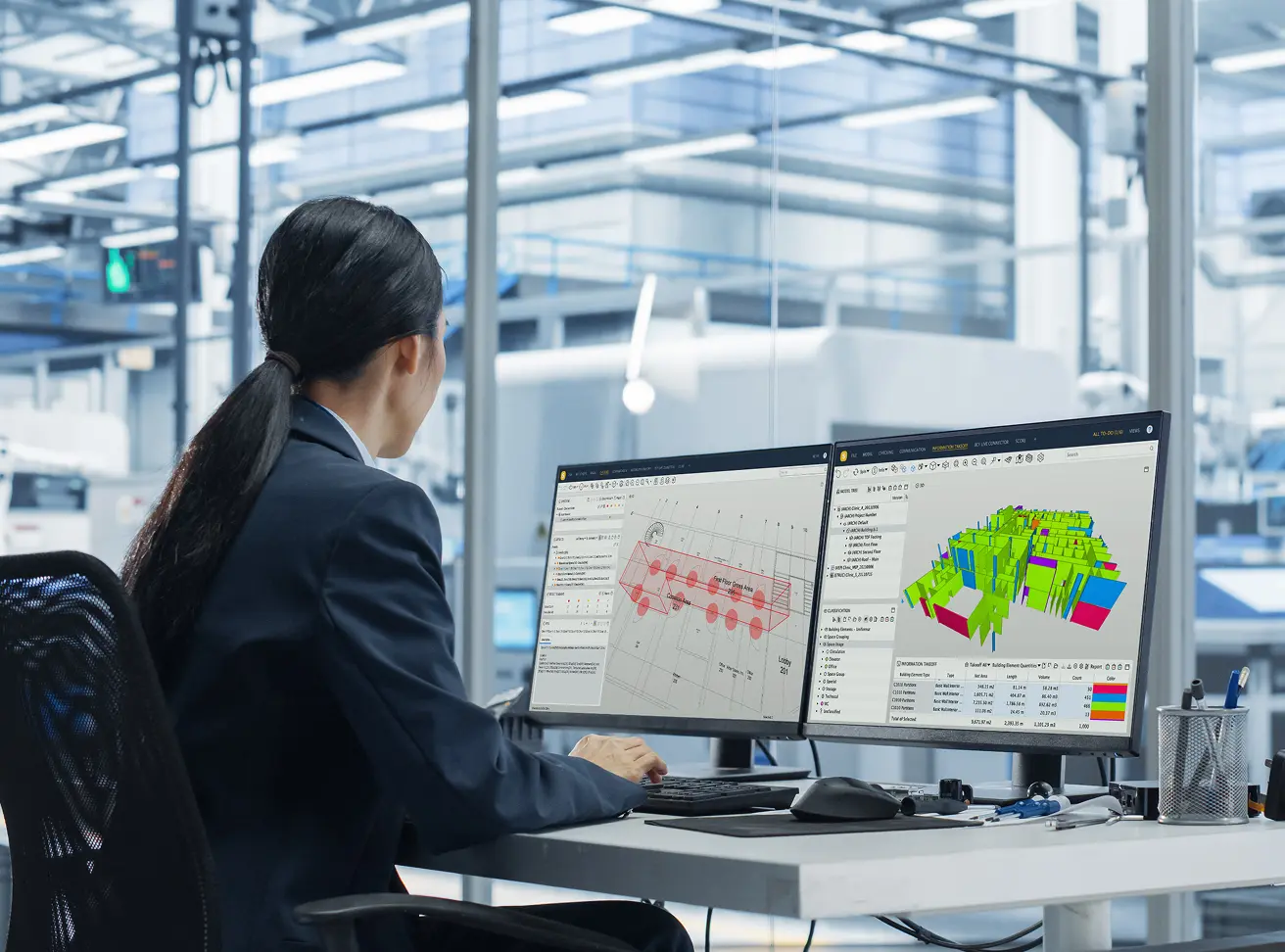
Manufacturing facilities demand precision across structural systems, technical services, production environments, and equipment interfaces. Solibri enables teams to validate industrial BIM models before construction begins, preventing installation conflicts, reducing rework, and improving delivery certainty.

Solibri Industrial Manufacturing

Why industrial construction demands structured BIM coordination

Manufacturing facilities go beyond standard building complexity. Production areas, technical systems, installation zones, and equipment interfaces must align within a single coordinated model across multiple disciplines.

When inconsistencies reach site undetected, the consequences are disproportionate: installation conflicts, commissioning delays, and costly construction rework.

Structured BIM validation helps teams identify these issues earlier, so they arrive on site with models they can trust.

Key coordination challenges in industrial BIM models

Industrial manufacturing projects introduce coordination challenges that must be managed across multidisciplinary digital models.
I Stock 2161394226 1

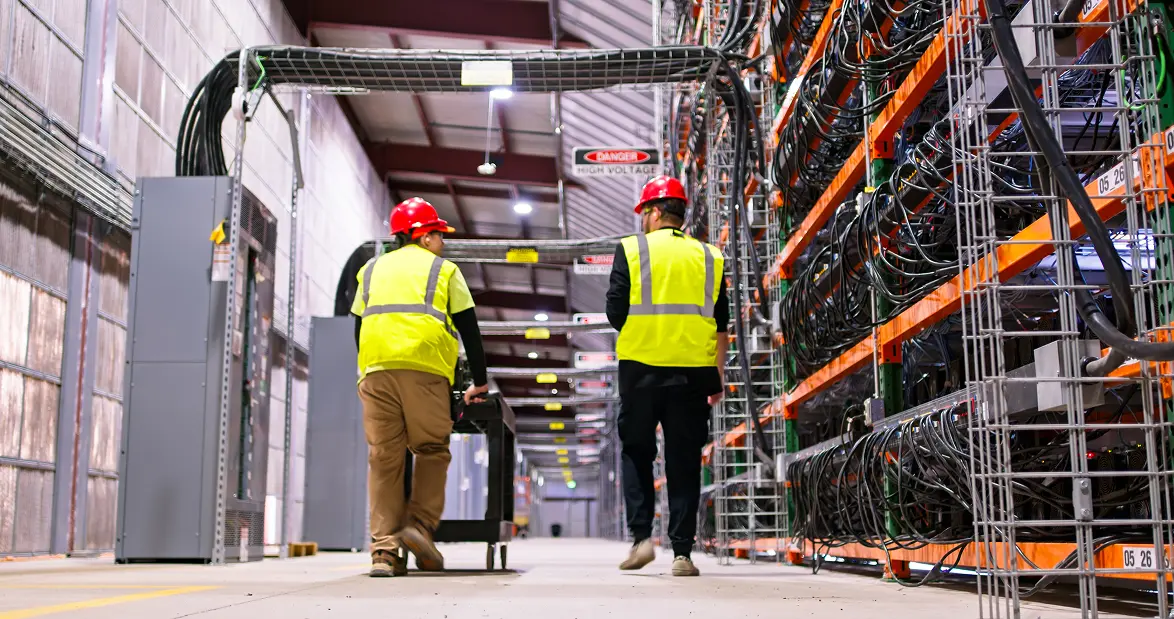
Production environment requirements

Manufacturing facilities often include process-driven spaces where layout precision, access, and service integration directly affect installation and future operational readiness.

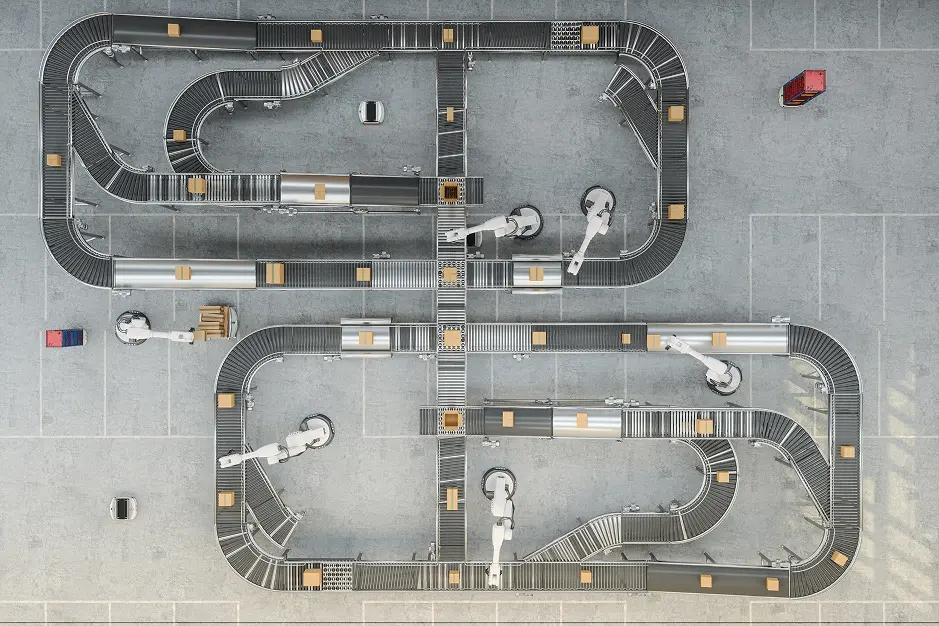
I Stock 1454926427 1

Technical systems coordination

Mechanical, electrical, and supporting building systems must align with structural constraints, plant layouts, and equipment-related requirements.

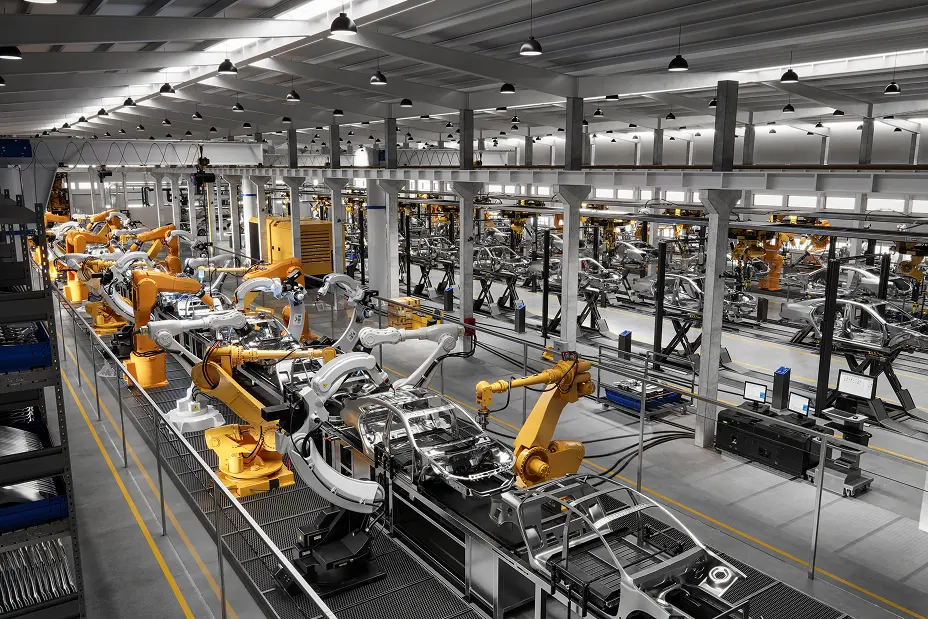
I Stock 1320950393 1

Installation and access zones

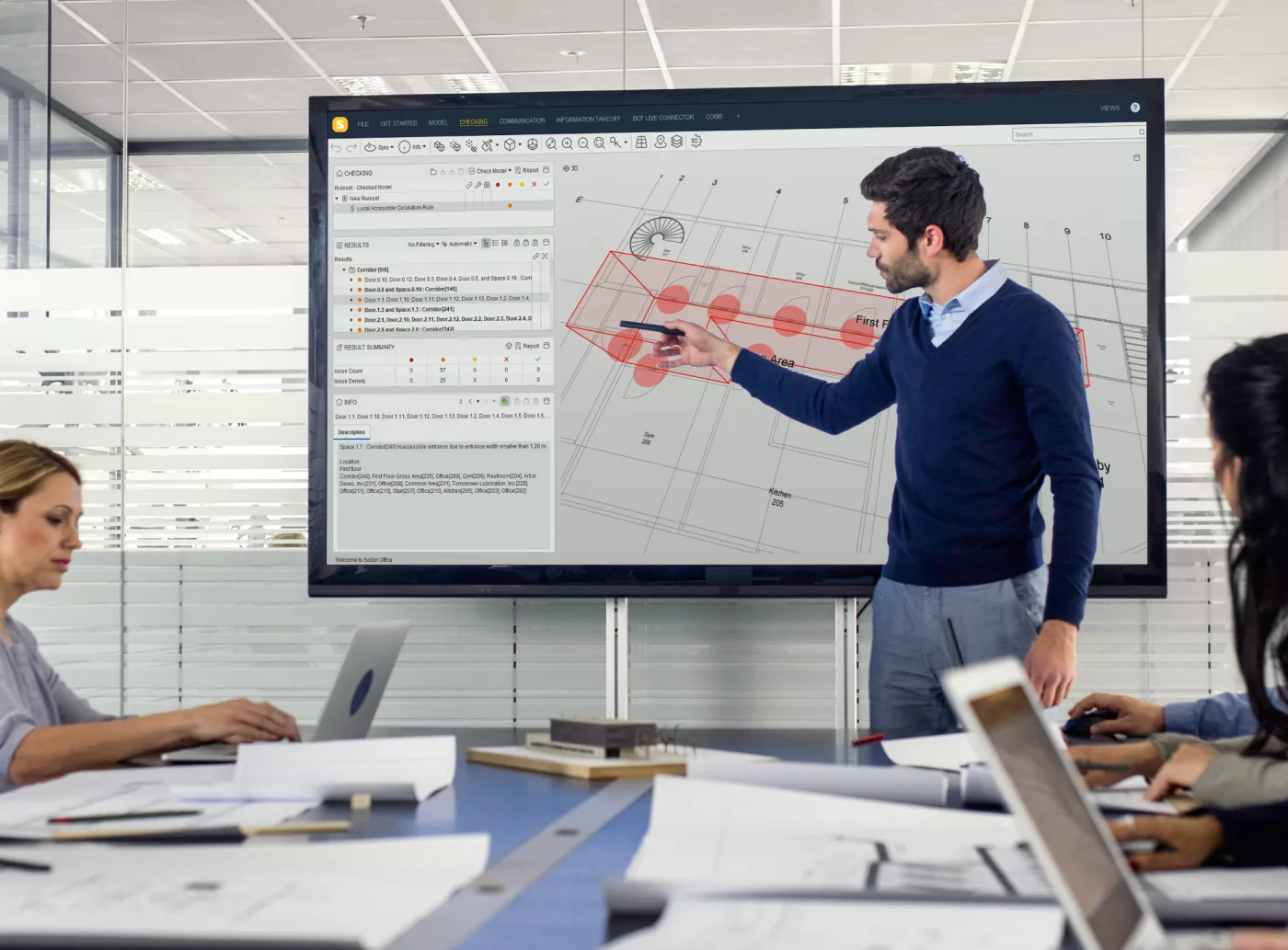
Industrial environments require clear coordination around installation areas, maintenance access, circulation zones, and technical clearances.

Solibri accessibility validation

Installation and access zones

Architects, engineers, contractors, specialist consultants, and equipment stakeholders must coordinate their work across shared models and supporting review formats.

Why structured BIM validation matters for manufacturing facilities

Manufacturing facilities are expected to perform reliably from the moment they are handed over. That places pressure on project teams to ensure BIM models are coordinated, information-complete, and ready to support installation and commissioning.

Even minor model inconsistencies can create disproportionate downstream impact. Misaligned service routes, insufficient access zones, or unresolved clashes between structural and technical systems can disrupt sequencing, delay commissioning, and increase construction rework.

This is why industrial teams increasingly rely on structured, rule-based BIM validation rather than visual model review alone. Rule-based model checking helps teams verify coordination and information quality earlier in the project, so issues can be resolved before they become on-site changes.

Solibri industrial manufacturing 3 res

Installation and access zones

The most effective industrial projects treat BIM validation as a structured quality process rather than a final-stage review activity.

Early validation improves installation readiness

Technical systems, access zones, and equipment-related spaces must be validated early to ensure they align with the building design and intended production environment.

Rule-based model checking reduces coordination risk

Automated validation helps detect spatial conflicts, inconsistencies, and missing information across BIM models.

Multi-format review supports broader project coordination

Industrial projects often require teams to review information across IFC, Revit, Point Cloud, SMC, DWG, and PDF files. Solibri helps strengthen consistency across these coordination inputs.

Structured validation improves delivery reliability

Detecting issues before construction helps reduce delays, avoid rework, and improve installation confidence.

Why organizations delivering manufacturing facilities use Solibri

Solibri enables project teams to detect spatial conflicts before installation, verify model quality, and validate BIM data across disciplines. In practice, this allows teams to resolve coordination issues during design and coordination phases, rather than during installation and commissioning.

Teams can review and analyze project information across IFC, Revit, Point Cloud, SMC, DWG, and PDF-based workflows, supporting coordination between designers, engineers, contractors, and equipment suppliers throughout the project lifecycle.

For most industrial manufacturing projects with deeper validation and coordination requirements, Solibri Advanced or Solibri Premium are typically used. For projects requiring strict deployment control, Solibri Security+ supports use in controlled or air-gapped environments.

Explore Solibri Advanced

Explore Solibri Premium

Explore Solibri Security+
I Stock 2211220576 1

Frequently asked questions about BIM validation for industrial manufacturing facilities

BIM validation verifies that multidisciplinary digital models remain coordinated across structural systems, technical services, access zones, and equipment-related requirements.

Manufacturing facilities depend on precise coordination between building systems, technical infrastructure, and installation-related requirements to ensure reliable delivery and operational readiness.

BIM enables project teams to coordinate technical systems, plant layouts, and spatial requirements within a shared digital model environment.

From Solibri Essentials upward, project teams can work with review inputs including IFC, Revit, SMC, DWG, and PDF, depending on the validation workflow and product level.

Solibri enables teams to review project information independently, apply rule-based checks, and improve coordination confidence across multidisciplinary industrial projects.

Deliver industrial facilities with greater certainty

Coordination issues identified late are significantly more costly to resolve, with rework often accounting for 5–12% of total project cost. Solibri enables teams to prevent installation conflicts, reduce rework, and maintain control over industrial BIM models from design through construction.