Skip to content
Logistics & Warehouses

Validating logistics warehouse BIM models with confidence

Logistics warehouses combine structural systems, automation infrastructure, and operational layouts within tightly coordinated digital models. Solibri enables project teams to verify model quality using rule-based BIM validation before construction begins.

Solibri Logistics and Warehouses 4

Coordinating complex systems in logistics warehouse construction

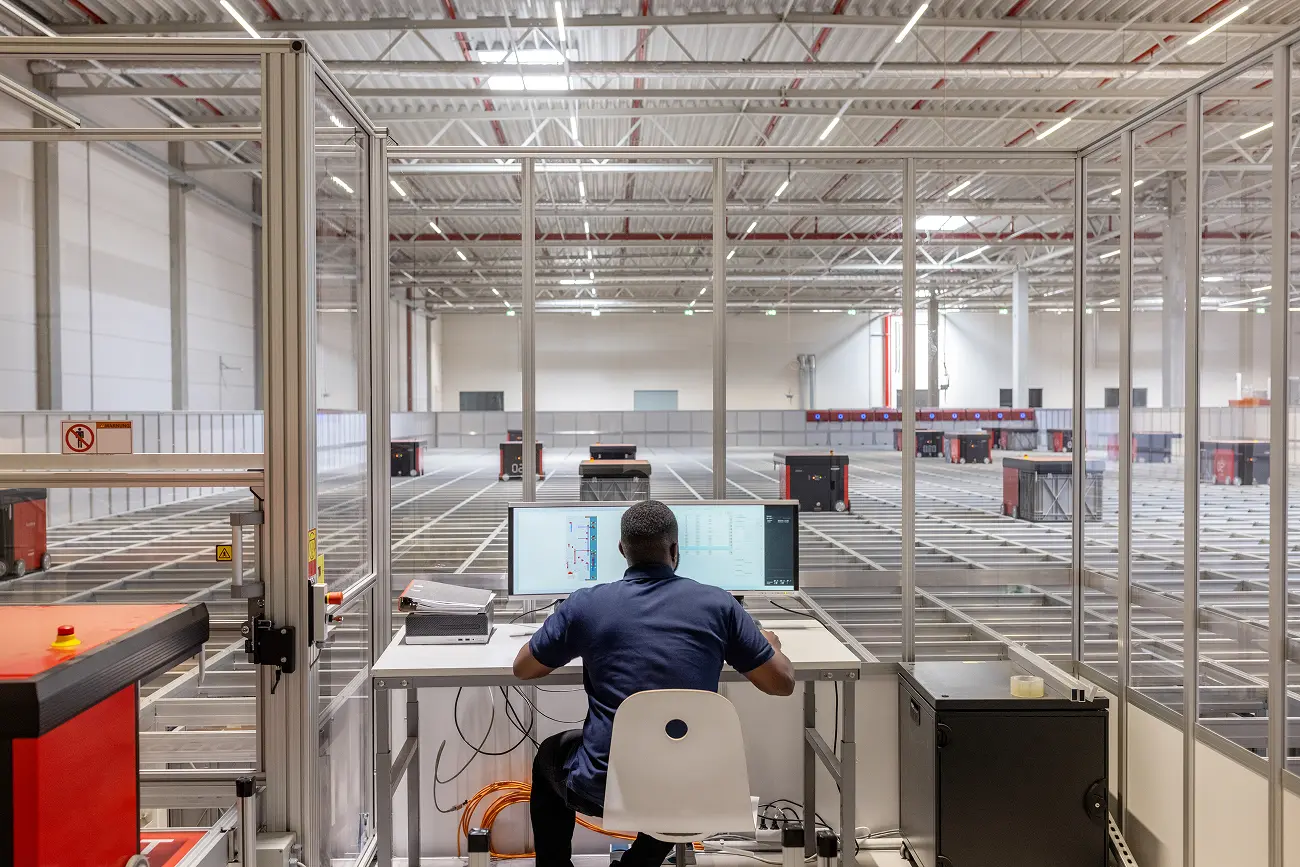
Modern logistics warehouses are no longer simple storage environments. They combine structural systems, automation infrastructure, building services, and operational flows within a single coordinated facility.

Conveyors, storage systems, robotics zones, loading areas, and access routes must align precisely with the building structure and supporting systems. When inconsistencies remain undetected in BIM models, the result can be installation conflicts, delivery delays, operational inefficiencies, and costly construction rework.

Applying BIM validation to warehouse designs enables project teams to identify issues early and ensure the models used to deliver logistics facilities are accurate, coordinated, and reliable.

Solibri enables teams to perform rule-based model checking, helping verify coordination across structural, mechanical, and operational systems before construction begins.

Key coordination challenges in warehouse BIM models

Solibri enables BIM quality assurance for logistics facilities by applying rule-based model checking to verify coordination across structural, mechanical, and operational systems before construction begins, reducing installation conflicts, delivery delays, and construction rework.

Automation system integration

Warehouse environments increasingly rely on automated storage and retrieval systems, conveyor networks, and robotics that must align with building geometry and access zones.

Structural and spatial constraints

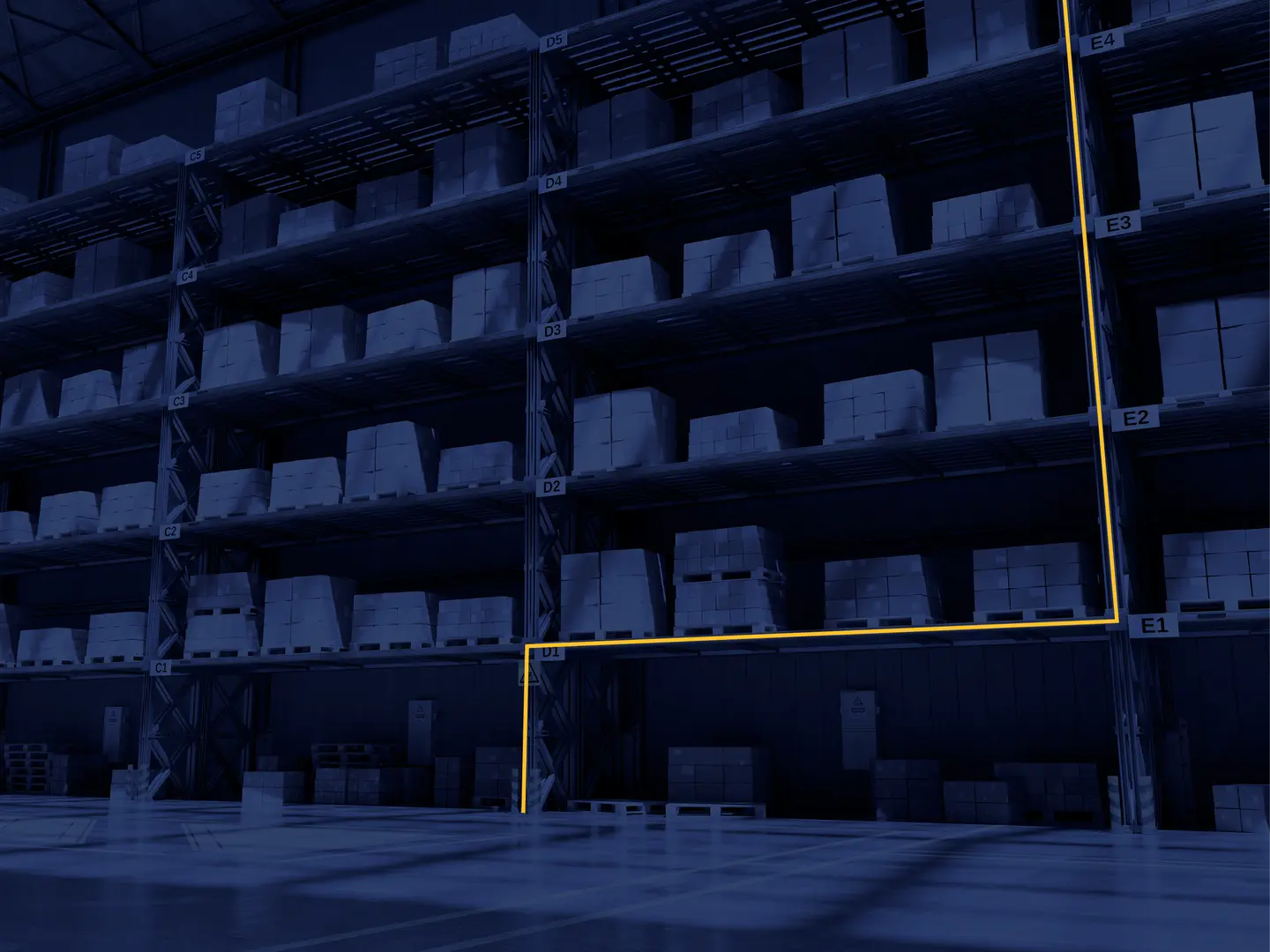
Large-span structures must accommodate storage layouts, automation equipment, service clearances, and loading areas without conflict.

Material flow and layout coordination

Operational efficiency depends on precise alignment between warehouse design, logistics flows, and equipment placement.

Multidisciplinary model coordination

Architects, engineers, contractors, and specialist suppliers must coordinate their work within shared BIM environments.

Why BIM validation matters for logistics facilities

Logistics warehouses are designed around throughput, efficiency, and operational reliability.

Even minor coordination issues can create outsized downstream impact. Misaligned automation zones, structural conflicts, or installation clashes can delay delivery, disrupt operational planning, and increase construction rework once equipment installation begins.

Applying BIM validation to warehouse designs enables project teams to verify that digital models are accurate, coordinated, and aligned with spatial, structural, and operational requirements before construction begins.

By identifying and resolving coordination issues early, teams can reduce installation conflicts, avoid costly delays, and deliver logistics facilities with greater confidence and predictability.

Solibri Warehouses Yellow Box 300x 1

Improving warehouse delivery through structured BIM validation

As logistics and distribution facilities increase in complexity, digital coordination becomes more critical to reliable delivery.

Warehouse development must align structural systems, building services, automation infrastructure, and operational layouts within a single BIM environment. This requires more than visual review alone. It requires consistent validation logic that can be applied across disciplines and project stages.

Solibri enables project teams to validate BIM models using structured, rule-based checks that help detect coordination issues early, strengthen information quality, and reduce downstream risk.

Solibri logistics cooridnation

Key principles for BIM coordination in logistics facilities

The most effective logistics warehouse projects apply BIM validation as a structured quality process, not a last-minute review step. This means embedding validation into coordination workflows from the start.

Early validation improves operational outcomes

Automation systems and layouts must be validated early to ensure they align with the building design and intended operational processes.

Rule-based model checking reduces coordination risk

Automated validation helps detect spatial conflicts, inconsistencies, and missing information across BIM models.

Open BIM workflows support multidisciplinary collaboration

IFC-based coordination allows project stakeholders to review and validate models in an independent environment.

Structured validation improves delivery reliability

Detecting issues before construction helps reduce delays, avoid rework, and improve installation readiness.

Why organizations delivering logistics facilities use Solibri

Organizations designing, delivering, and maintaining logistics warehouses use Solibri to introduce structured validation into BIM workflows.

Solibri provides model checking software for warehouse BIM validation, enabling project teams to verify model quality across multidisciplinary environments and reduce coordination risk before construction begins.

Project teams use Solibri to:

  • validate coordination across structural, mechanical, and automation-related systems
  • detect spatial conflicts before they affect installation and delivery
  • verify BIM data and model consistency across disciplines
  • strengthen quality assurance across project stakeholders

Solibri supports validation workflows ranging from focused model inspection to industry-grade quality assurance across complex project environments.

For projects requiring strict deployment control, Solibri Security+ supports use in controlled or air-gapped environments.

Frequently asked questions about BIM validation for warehouses

BIM validation verifies that multidisciplinary digital models remain coordinated across structural systems, automation infrastructure, and operational layouts.

Warehouse facilities depend on precise alignment between building design, automation systems, and operational flows to ensure efficient delivery and reliable operation.

BIM enables project teams to coordinate building systems, equipment layouts, and operational requirements within a shared digital model environment.

Model checking helps verify model quality using rule-based validation to detect spatial conflicts, inconsistencies, and missing information before construction begins.

Solibri enables teams to review IFC models independently, apply rule-based checks, and improve coordination confidence across multidisciplinary logistics projects.

Deliver logistics facilities with greater confidence

Logistics warehouse projects depend on precise coordination between structure, automation systems, and operational requirements. When issues are identified too late, they lead to delays, re-coordination, and increased delivery risk.

Solibri helps project teams identify and resolve coordination issues earlier, supporting more predictable project delivery and better-aligned outcomes from design through construction.