Skip to content
Data Centers & Warehouses

Coordinating mission-critical facilities with confidence

Data centers, logistics facilities, and industrial infrastructure require precise coordination across structural systems, mechanical infrastructure, and operational layouts.

Solibri enables project teams to apply rule-based BIM validation and model checking, helping ensure complex facilities remain coordinated as projects move from design to construction.
Header Data Center Factory P Page v4 300x 1 1

Coordinating complex systems in mission-critical facilities

Data centers, logistics facilities, and industrial buildings combine multiple engineering disciplines within a single coordinated environment. Structural systems, mechanical infrastructure, electrical networks, and operational layouts must all function together once the facility becomes operational.

Because these environments support critical infrastructure and high-performance operations, even small coordination errors within digital models can lead to construction delays, costly redesigns, or operational inefficiencies.

Applying BIM Validation on design models of data center and warehouse allows project teams to detect coordination issues early in the design process, improving confidence in the digital models used to deliver these complex facilities.

Mission-critical facilities typically introduce several coordination challenges that must be managed across multidisciplinary BIM models.

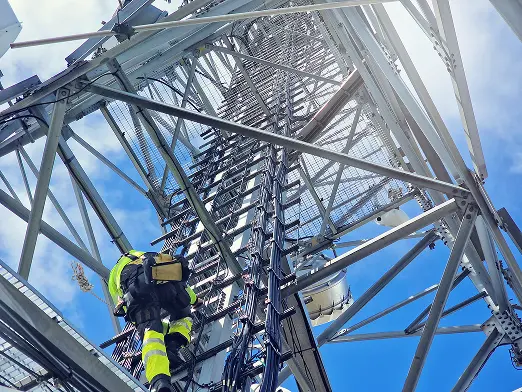
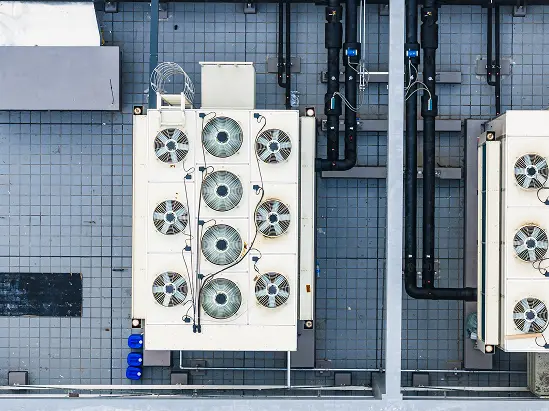
Solibri data centers cooling infrastructure

Mechanical cooling infrastructure

Data centers rely on sophisticated cooling systems that must align precisely with structural and equipment layouts to maintain stable operating conditions.

Solibri data centers electrical

Electrical and power distribution

High-capacity electrical infrastructure must integrate seamlessly with building systems and equipment zones while maintaining redundancy requirements.

Solibri data centers rack layounts

Equipment and rack layouts

Spatial planning must accommodate racks, operational equipment, and service access areas while maintaining structural and mechanical coordination.

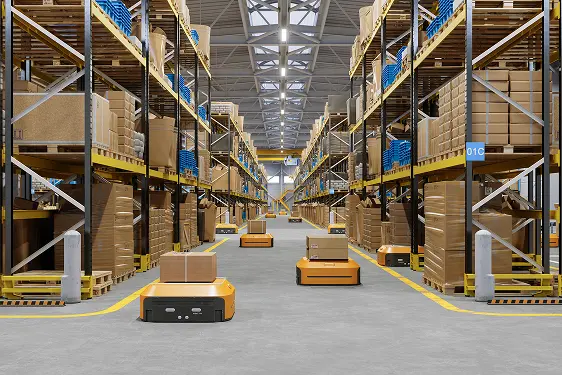
Solibri data centers automated systems

Logistics automation systems

Warehouse environments often integrate automated storage systems, robotics, and material-flow layouts that must align with structural and building systems.

Digital construction challenges in mission-critical facilities

Data centers, logistics warehouses, and industrial facilities introduce complex coordination challenges that must be managed across multidisciplinary BIM models.

These projects combine structural engineering, mechanical infrastructure, electrical systems, and operational layouts within tightly coordinated digital environments.

Without structured model validation, conflicts between these systems can remain undetected until construction, increasing project risk and delivery costs.

Once discipline models are coordinated, Solibri helps project teams validate model quality through rule-based BIM checking, identifying issues that could otherwise lead to rework, delays, or compliance risks.

High-density infrastructure coordination

Mission-critical facilities combine mechanical cooling systems, electrical distribution networks, and structural infrastructure within highly constrained environments.

Multidisciplinary design environments

Architects, engineers, contractors, and technology specialists must coordinate their work within shared BIM models.

Accelerated project delivery

Data center and logistics facilities are often delivered on aggressive construction timelines, leaving little margin for design conflicts.

Operational reliability requirements

Facilities must operate reliably from day one, requiring highly coordinated digital models before construction begins.

Why the speed and scale of data centers makes BIM validation critical

The rapid expansion of hyperscale data centers is placing increasing pressure on design and construction teams to coordinate complex mechanical, electrical, structural, and fire safety requirements within tight project timelines. 

As data center developments grow larger and more technically complex, structured BIM validation becomes essential for managing coordination across multidisciplinary engineering teams and reducing downstream construction risk.

In this industry insight, Matthew Lohden, Senior Consultant, Innovation Division, Infrastructure & Capital Projects at Accenture, explains why rule-based BIM validation is a practical way to keep models construction-ready. It helps teams verify required components, enforce clearances, and demonstrate compliance before work starts on site.

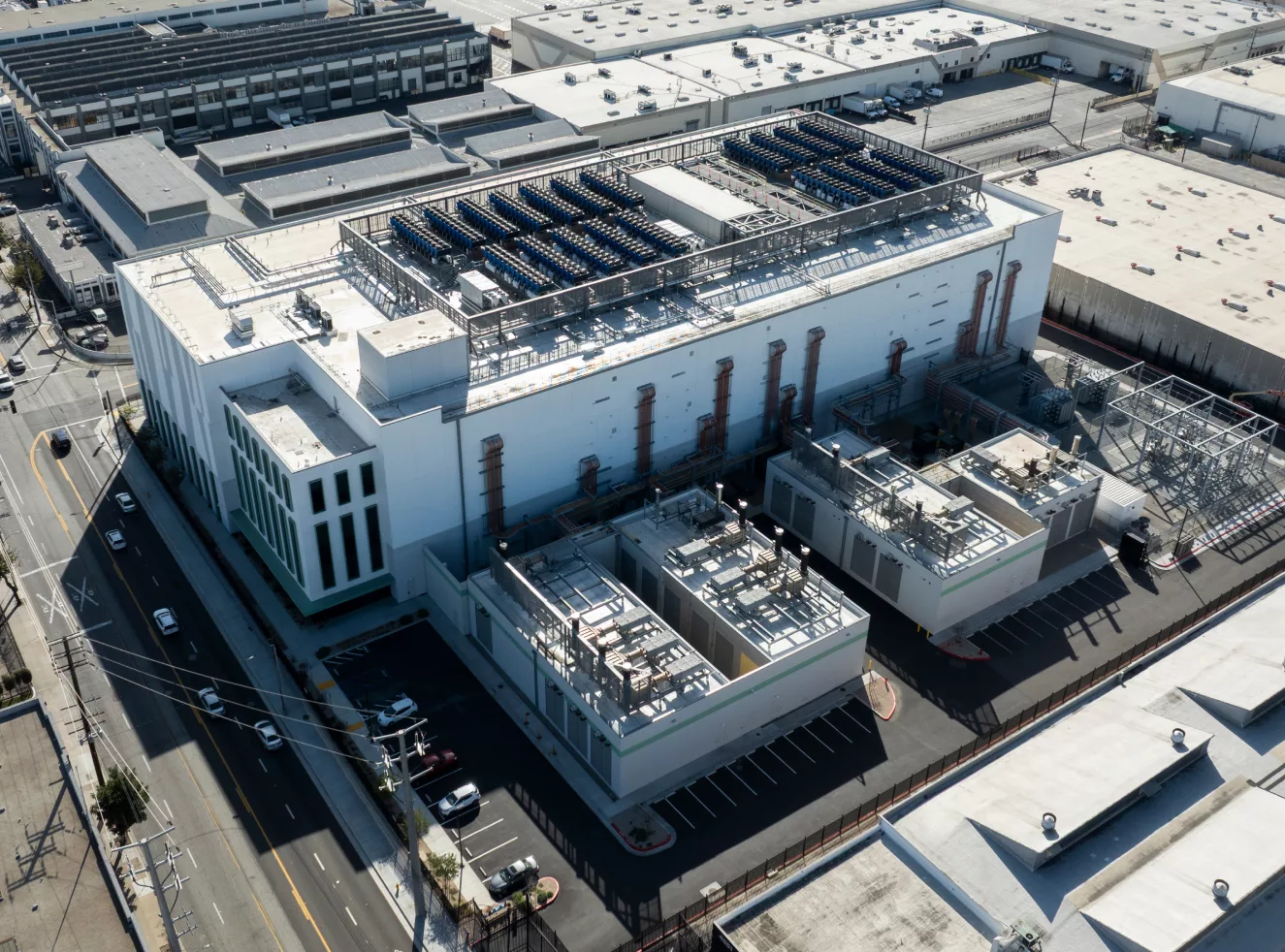
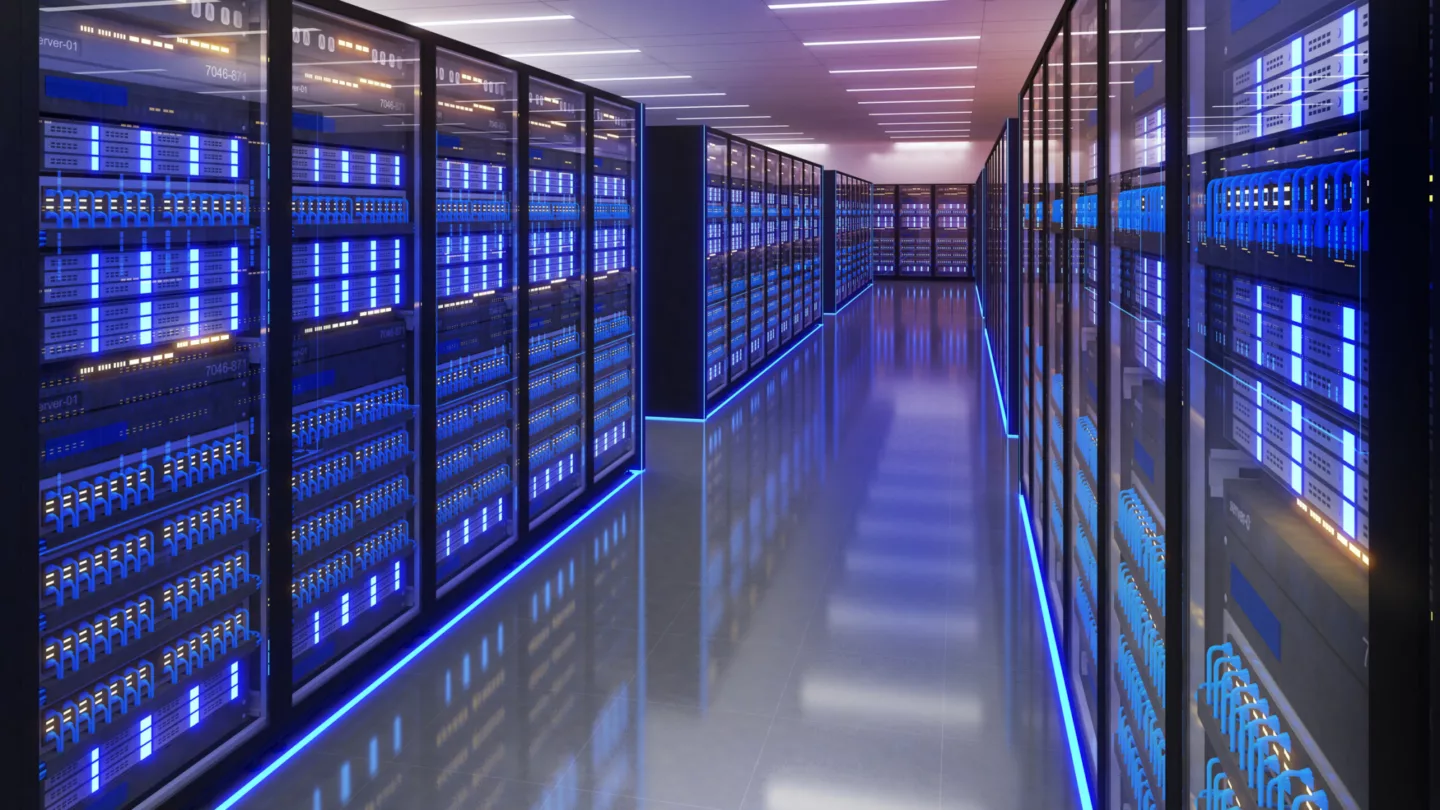
I Stock 2163733794 Data center 1

Key takeaways for mission-critical facility coordination

Data centers, logistics warehouses, and industrial facilities require highly coordinated digital models to ensure reliable construction and operation.

Key principles emerging from real-world BIM workflows include:

  • Mission-critical facilities combine complex engineering systems: Structural, mechanical, electrical, and operational systems must remain coordinated within multidisciplinary BIM models.
  • Rule-based BIM validation strengthens model reliability: Automated model checking helps teams detect design conflicts, missing information, and coordination issues early.
  • Open BIM workflows support collaboration across teams: Using IFC-based model coordination allows designers, contractors, and owners to review models in independent validation environments.
  • Early validation reduces construction risk: Identifying coordination issues before construction begins helps reduce delays, design conflicts, and costly rework.

Solibri enables project teams to apply structured BIM validation workflows, helping ensure complex facilities are delivered with confidence.

Why mission-critical project teams rely on Solibri

Organizations responsible for data centers and warehouse infrastructure adopt Solibri to introduce structured validation into digital construction workflows.

Solibri provides model checking software for mission-critical facilities that enables project teams to verify model quality using rule-based validation rather than relying solely on visual review.

This approach helps teams detect coordination issues earlier while maintaining consistent model quality across project partners.

As projects grow in scale and complexity, structured validation strengthens collaboration while reducing delivery risk.

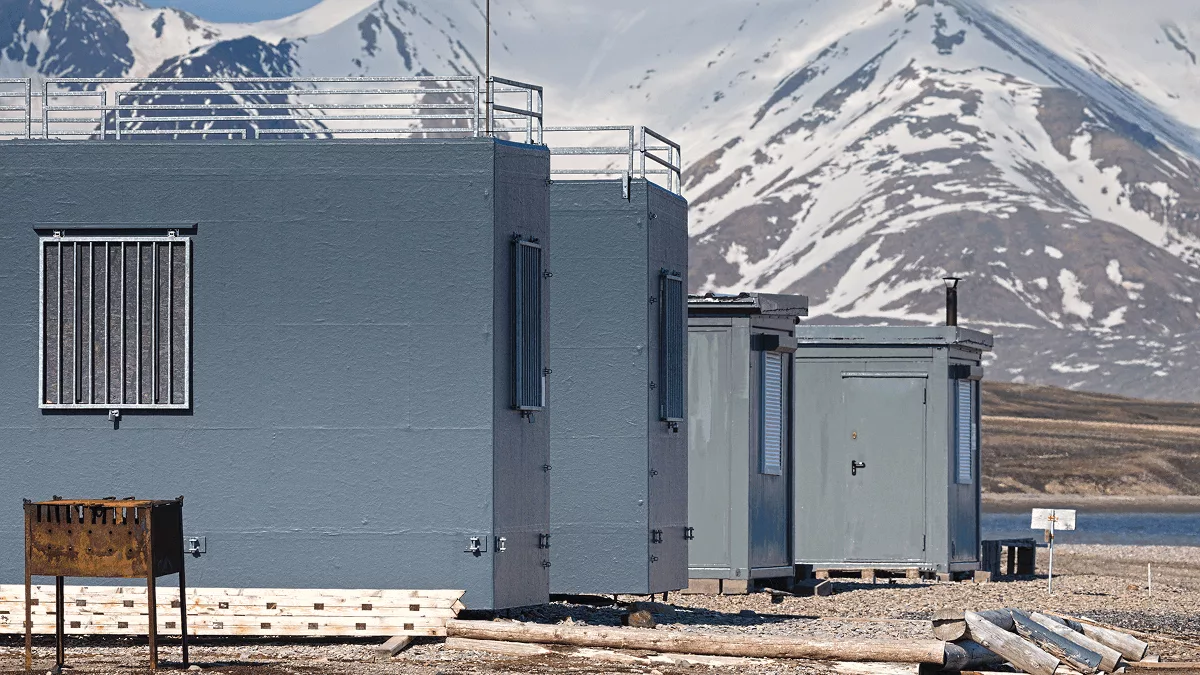
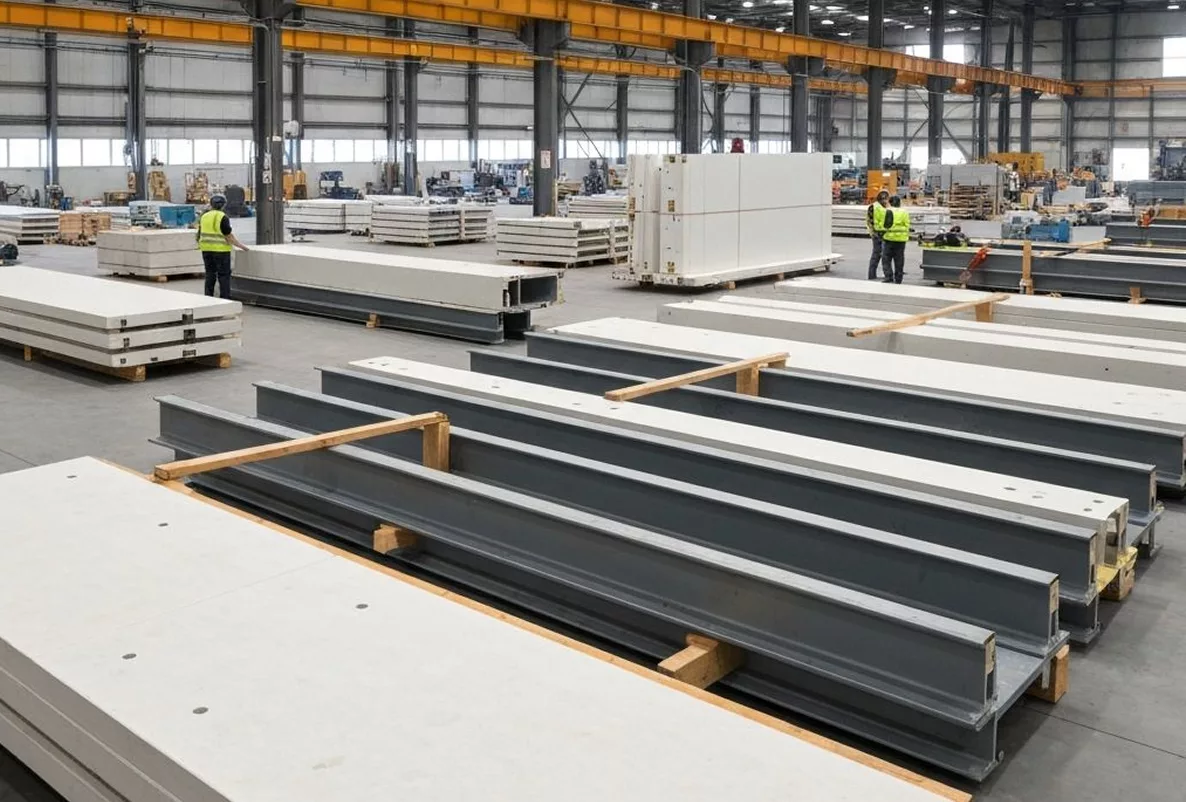
Solibri industrial facility

Frequently asked questions about BIM validation for data centers and warehouses

BIM validation for data centers involves verifying that multidisciplinary digital models remain coordinated across structural systems, mechanical cooling infrastructure, and electrical networks.

Rule-based model checking helps project teams detect spatial conflicts, compliance issues, and coordination errors before construction begins.

Solibri enables teams to perform structured data center BIM validation, improving confidence in the digital models used to deliver mission-critical infrastructure.

Data centers combine high-density electrical infrastructure, complex cooling systems, and tightly organized equipment layouts within a single facility.

Because these systems must operate reliably from day one, even minor coordination issues within BIM models can create construction conflicts or operational inefficiencies.

Applying data center BIM coordination and model validation helps identify these issues early in the design process.

Warehouse facilities often integrate automated logistics systems, storage infrastructure, and structural building components within large-scale environments.

Structured warehouse BIM validation helps ensure these systems remain spatially coordinated within digital models. This reduces the risk of conflicts between automation systems, building infrastructure, and operational layouts during construction.

Several facility types benefit from structured BIM validation, including:

- hyperscale data centers

- logistics and distribution warehouses

- industrial and manufacturing facilities

- automated fulfillment centers

These environments rely on highly coordinated digital models to ensure engineering systems remain aligned throughout the design and construction process.

Solibri provides rule-based model checking software that enables project teams to verify BIM model quality using automated validation rules.

These checks help teams identify spatial conflicts, missing information, and coordination issues across multidisciplinary BIM models.

By validating models before construction begins, Solibri helps reduce project risk while strengthening BIM quality assurance for mission-critical facilities.

Deliver mission-critical facilities with confidence

Mission-critical infrastructure must perform reliably from the moment it becomes operational.

Solibri enables project teams to validate multidisciplinary BIM models before construction begins, helping ensure that complex facilities are delivered with confidence.