Skip to content
Design & Architecture

Improve design quality before coordination begins

Architects and design teams need clear, reliable models before projects move into broader coordination. Solibri helps teams review model quality early, detect issues sooner, and strengthen BIM validation during the design stage.

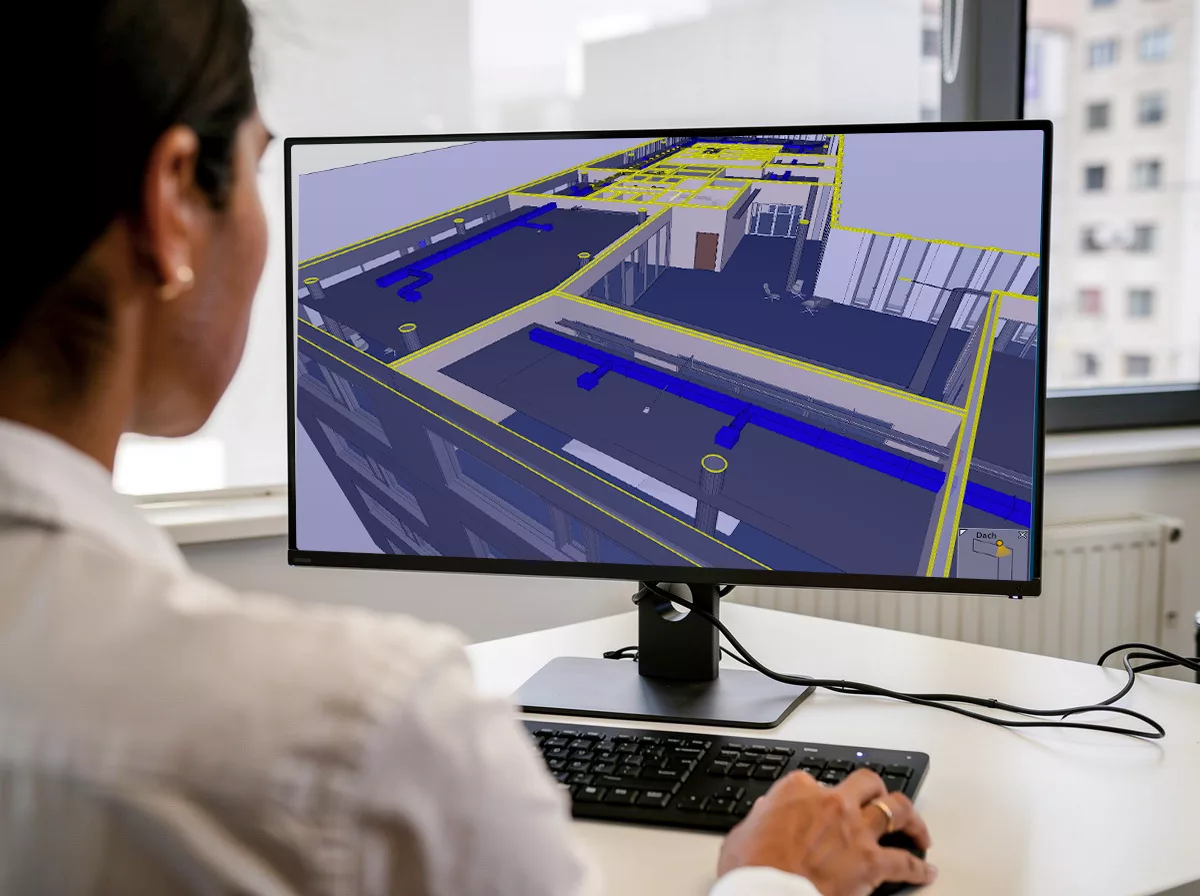
Solibri design architecture hero

Better design decisions start with better model quality

The design stage sets the foundation for everything that follows. Before models move into multidisciplinary coordination, they need to be clear, consistent, and ready for others to rely on.

When design issues go unnoticed early, they do not disappear. They move downstream into BIM coordination, construction, and handover, where they become more difficult and more expensive to resolve.

Applying design BIM validation helps architects and design teams identify these issues earlier, improve model quality, and prepare their work for the next stage of the building lifecycle.

Solibri supports structured model review and architectural model checking, helping teams build stronger validation habits from the start.

Key challenges in design-stage BIM workflows

Architects and design teams are expected to balance design intent, delivery speed, and model quality at the same time. That makes early validation increasingly important. Solibri helps strengthen design BIM quality assurance before models move further into the building lifecycle.

Design quality under time pressure

Design teams need to move projects forward quickly without allowing preventable model issues to pass into later lifecycle stages.

Small issues create bigger downstream impact

Inconsistencies at design stage may seem manageable at first, but they can create delays and rework once BIM coordination begins.

Model quality is not always visible at a glance

A model can appear complete visually while still containing issues that affect reliability, consistency, or readiness for the next stage.

Better handoff improves lifecycle flow

Architectural models should support not only internal design work, but also a smoother transition into BIM coordination.

Why BIM validation matters for architects and design teams

Architectural design is not only about creating models. It is also about making sure those models are usable, understandable, and ready for what comes next.

Applying BIM validation for architects helps teams check model integrity early, identify issues before they spread, and improve confidence in the information shared with others.

This is where better project outcomes begin. Earlier issue detection helps reduce downstream rework, improve collaboration, and support a smoother path into coordination.

For many design teams, this stage does not require the full depth of advanced validation. It requires a practical, accessible way to review and improve model quality as part of everyday design work.

460bd38f4997b97f4e091e72391f811c1e775dbb

Key principles for better design-stage validation

The most effective design teams treat BIM validation as part of everyday model quality, not as something that only starts later. Solibri helps teams introduce structured validation in a way that supports real design work without unnecessary complexity.

Early validation improves design confidence

Reviewing models earlier helps architects identify issues while they are still easier to resolve.

Accessible model checking supports adoption

Validation becomes more valuable when it fits naturally into day-to-day design workflows.

Multi-format review supports real project work

Projects often involve IFC, Revit, DWG, and PDF-based review, and teams need consistency across those inputs.

Better design quality supports smoother coordination

The stronger the model quality at design stage, the smoother the handoff into BIM coordination.

Why architects and design teams use Solibri

Architects and design teams use Solibri to improve model quality before BIM coordination expands across disciplines.

Solibri supports BIM validation for design teams by helping users:

  • inspect models earlier in the design process
  • identify inconsistencies before they affect downstream workflows
  • review project information across IFC and, depending on the offering level, also formats such as Revit, DWG, and PDF
  • strengthen confidence in what is handed over to BIM coordination
  • establish more consistent design-stage validation habits

Depending on project complexity and validation needs, architects and design teams choose the Solibri offering that best fits their workflows. Many design-stage users start with Solibri Starter or Solibri Essential, while teams that become more involved in coordination or more advanced validation workflows may later move to more advanced Solibri capabilities as project complexity increases.

Solibri collaboration desk

Explore the next stage in the building lifecycle

Design quality determines how effectively teams can move into BIM coordination.

When models are properly validated, coordination becomes a structured process rather than a reactive one. Teams can focus on aligning disciplines, resolving conflicts, and managing project complexity instead of correcting avoidable design issues.

In BIM coordination, models from multiple disciplines are brought together to identify clashes, validate requirements, and ensure alignment across the project team. This stage builds directly on the quality established during design and plays a critical role in reducing construction risk and improving project outcomes.

Single Lady Nr2

Frequently asked questions about BIM validation for architects and design teams

Design BIM validation is the process of reviewing architectural and early-stage project models to identify issues in quality, consistency, and readiness before they move into broader coordination.

The earlier issues are found, the easier they are to resolve. Early validation helps reduce downstream rework and prepare models for smoother BIM coordination.

Solibri helps architects and design teams inspect models, review issues earlier, and improve confidence in model quality before sharing work with other stakeholders.

Supported review inputs depend on the Solibri offering level and the workflow in use. Design teams can use Solibri to support model review and validation across common project information formats, with broader review capabilities available in higher offering levels.

For many design-stage users, Solibri Starter and Solibri Essentials are the most relevant options because they support earlier-stage review and practical validation without unnecessary complexity.

Strengthen model quality from the very beginning

The quality of coordination later in the project depends heavily on the quality of the models created first. Solibri helps architects and design teams identify issues earlier, improve design quality, and prepare models for smoother collaboration across the building lifecycle.