The True Cost of Rework in Hyperscale Data Center Construction

Rework is often described as an industry-wide inefficiency, a cost of doing business that eats 5 to 12 percent of project value across construction generally. In hyperscale data center construction, that description understates the problem. Rework here does not behave the same way it does on a conventional building, and the reason comes down to one word: repetition.
One Error, Multiplied
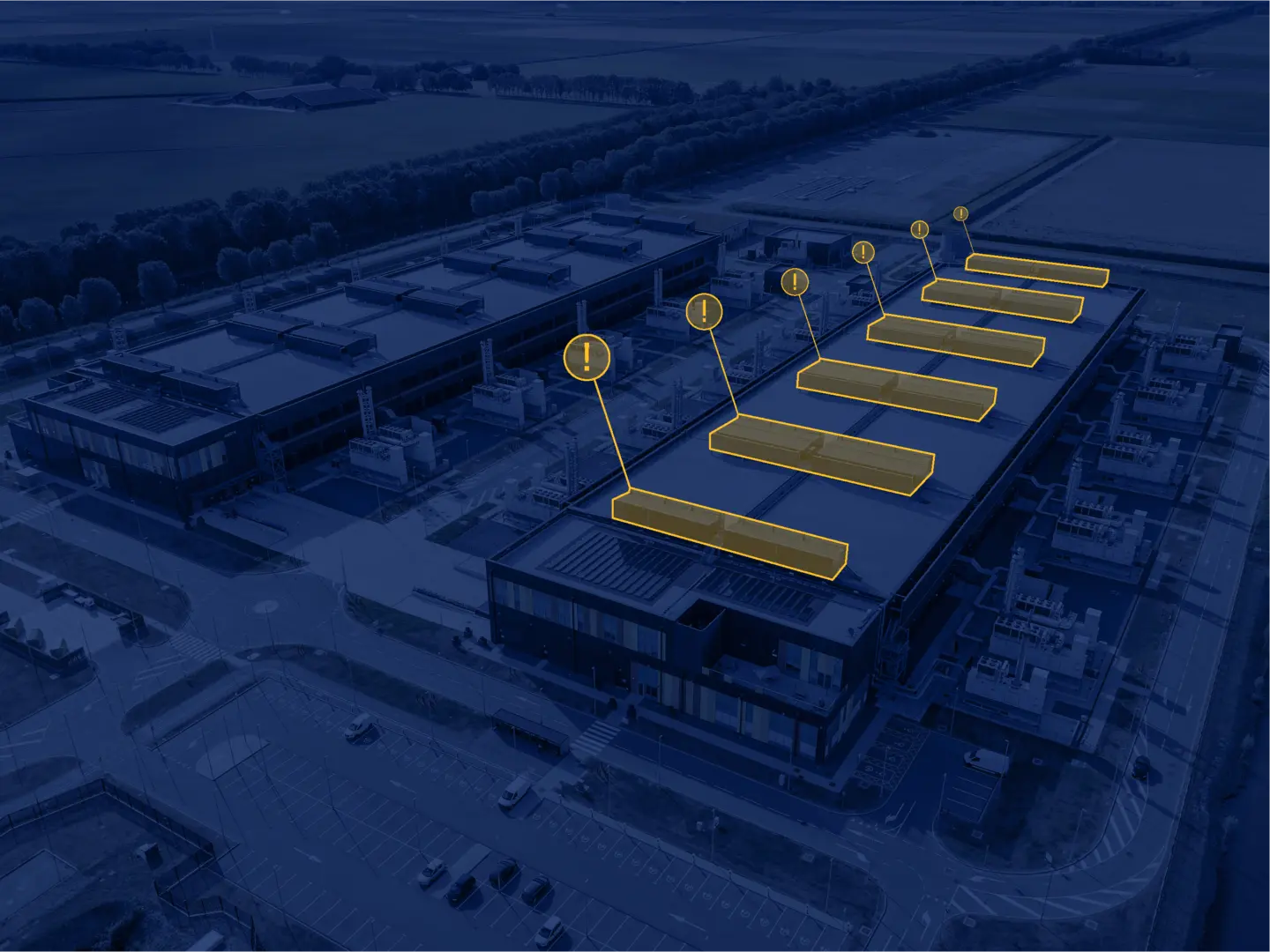
A hyperscale campus is rarely a single, unique building. It is typically a set of near-identical data halls, built in sequence from the same coordinated model, often with major systems prefabricated offsite and shipped to the field for assembly. This is what makes hyperscale delivery fast enough to meet the schedules hyperscalers demand. It is also what makes an undetected coordination error dangerous in a way it is not on a one-off project.
If a model error goes undetected in a conventional building, it typically affects that building. If the same error goes uncaught in a data hall template that will be repeated ten, twenty, or forty times across a campus, it does not stay contained to one hall. It replicates. By the time someone notices the problem in hall three, halls one and two may already be under construction, and the fabrication shop may already be building hall four from the same flawed model.
Why Prefabrication Changes the Math
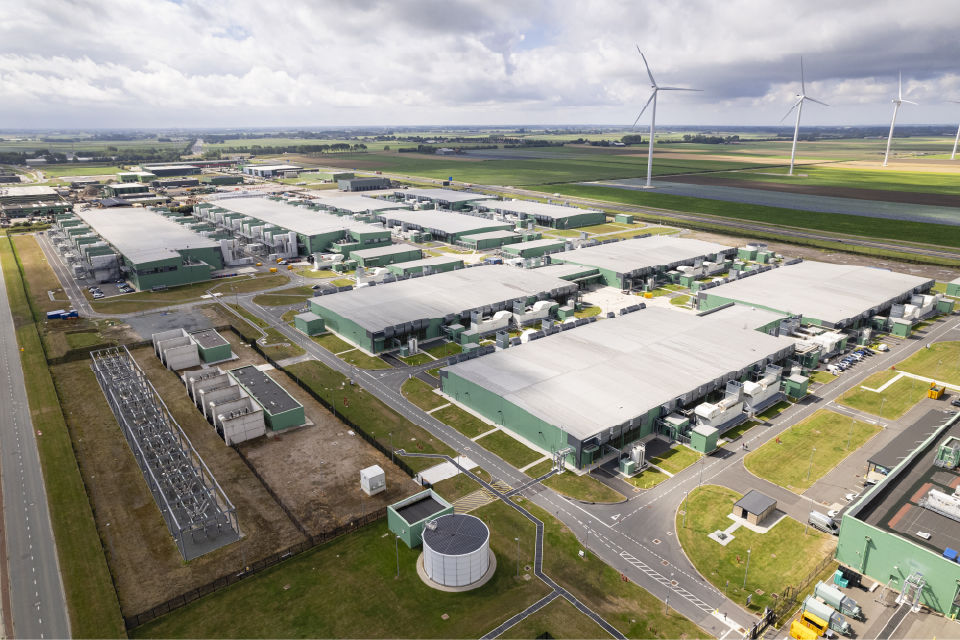
Modern data center delivery leans heavily on prefabrication: MEP skids, modular battery rooms, and in some cases entire modular data halls, assembled offsite under controlled factory conditions. This is a genuine efficiency gain when the underlying model is right. It becomes a serious liability when the model is wrong, because the fabrication shop is not building from a drawing that a site team can adjust in the field. It is building a physical, dimensioned object from the model, sight unseen, before that object ever reaches the construction site.
Consider a power distribution module modeled a couple of inches off from its actual manufacturer specification. On a conventional project, a field team might notice the discrepancy and adjust the installation. On a prefabricated hyperscale project, that module arrives on a truck already built to the wrong dimension. The fix is not an adjustment. It is a re-fabrication cycle, complete with new lead time, new shop capacity, and a schedule slip that a hyperscale tenant, already paying for capacity they need online as fast as possible, will not absorb quietly.
What Actually Prevents This
The pattern across nearly every well-run hyperscale project is the same: catch the coordination problem on screen, before it becomes a physical object. That requires more than visual clash review of a single model. It requires validating every model against a consistent set of rules, applied the same way across every discipline and every repeated hall in the campus, so that an error in hall one is caught before it becomes an error in halls two through forty.
This is the difference between clash detection and BIM validation. Clash detection finds where two objects occupy the same space in one model. Validation confirms that a model, and by extension every model built from the same template, actually meets the defined standard for quality, classification, and compliance before a fabrication shop ever touches it.
For a deeper look at what that standard should include, particularly around LOD 400 requirements for data center prefabrication, see our guide on LOD 400 and BIM validation requirements for data center construction.

Getting Ahead of It
Teams that get this right are not doing anything exotic. They are applying rule-based validation early and consistently, across every model in a repeatable campus, rather than relying on a single round of visual review before construction begins. The cost difference between catching an error on screen and catching it in a fabricated module is not marginal. It is often the difference between an hour of engineering time and a full re-fabrication cycle that puts the entire commissioning schedule at risk.
Want a practical framework for applying this on your next data center project? Download the Data Center BIM Coordination Checklist for a step-by-step approach to validating MEP-dense models under fast-track schedules.
Data Center BIM Coordination Checklist
This site is protected by reCAPTCHA.
Ready to stop losing time to rework? Buy Advanced now through the Solibri Store, or talk to an expert first.